Chumming the Waters: A Solid, If Imperfect, Shark Thriller
Review by Rob Shields
Megalodon Gulf by Sam M. Phillips is one of those books that reminds you why giant shark stories are so addictive, even when they do not quite land every bite. It delivers a tense, seawater soaked adventure with enough blood in the water to satisfy creature feature fans, but it also slows down for long stretches of introspection and philosophy that will divide readers. This is a thriller that mostly works and has some strong moments, even if I often wanted more meg and less musing.
The premise is immediately appealing. Michael, a young factory worker desperate to escape his dead end life, heads to the Gulf of Carpentaria to work on fishing trawlers. He is chasing a kind of rough freedom and trying to live up to his great grandfather’s legacy on the sea. Unfortunately for Michael and the crew, something far older and hungrier has claimed this patch of ocean. A colossal megalodon, long believed extinct, is cruising the depths and treating the trawlers like a floating buffet. As setups go, it is classic and effective.
The book starts very well. The early chapters move quickly, sketching Michael’s frustration on land, his decision to head north, and the uneasy rhythm of life aboard the boats. Phillips builds tension with ominous hints, strange sounds under the hull, and glimpses of a vast shadow passing beneath the surface. When the shark finally strikes, those first encounters are genuinely thrilling. The attacks are staged with cinematic clarity, and the sense of helplessness on the open water comes through. At this point, the story feels like it might become a straight shot of survival horror.

Instead, the book takes a more patient route. After the fast start, the middle section slows down and asks you to sit with Michael, his mistakes, and his regrets. He drinks too much, pushes people away, and carries emotional baggage that makes him far from a conventionally likable hero. To Phillips’s credit, there is an honest attempt to dig into Michael’s psychology. We get scenes that explore guilt, generational expectations, and the cost of running away from your problems by running out to sea. Some of this is interesting and gives the character more dimension than the usual monster bait.
The trade off is pacing. There are long passages where the shark fades into the background while Michael broods or debates life, death, and what it means to be truly free. Readers coming in expecting a relentless shark assault may find these stretches frustrating. I certainly found myself wanting the story to get back to the megalodon more often. The philosophical angle is not badly handled, but it sometimes feels like it belongs in a different book than the high concept premise on the cover.

Michael himself is a sticking point. He is believably damaged, and his rough edges make sense given his circumstances, but he is also hard to root for at times. He snaps at people who do not deserve it, makes self destructive choices, and occasionally circles the same emotional territory more than once. The upside is that when he is finally forced to confront both his inner demons and the very real monster in the water, those moments feel earned. The downside is that not every reader will have the patience to stay with him to that point.
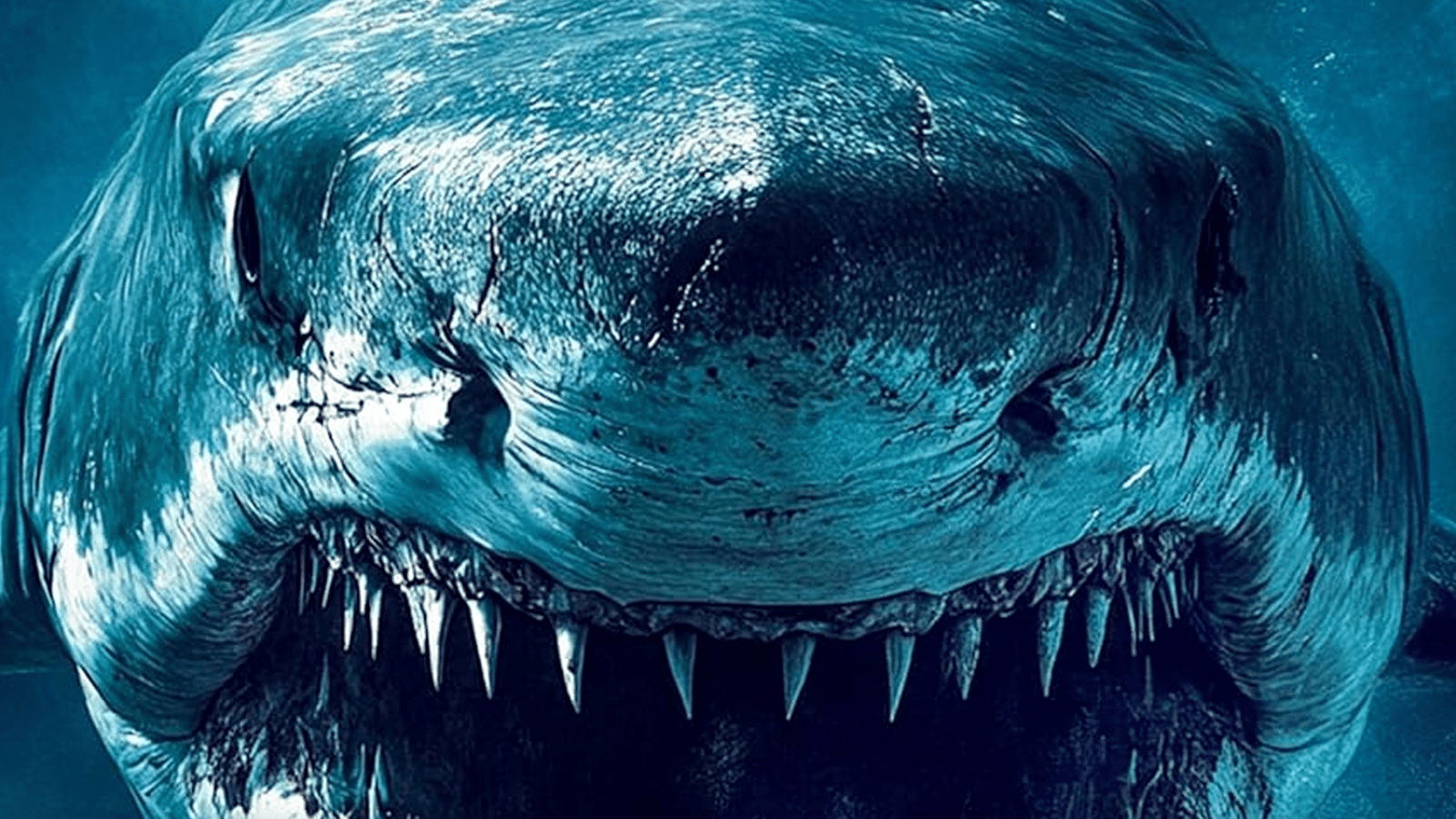
When the megalodon does take center stage, the book comes alive. Phillips has a good eye for marine horror. Descriptions of the fin carving through the swells, the white belly flashing in the depths, and the sheer mass of the creature slamming into steel hulls all land nicely. The kills are brutal without feeling cartoonish, and there is a constant awareness that the humans are completely out of their element. I just wish these sequences were more frequent and that the shark’s presence loomed more constantly over the narrative instead of appearing in bursts.
The supporting cast and setting help shore things up. The trawler crews feel like real working people, motivated by money, habit, and pride. The details of their work, the exhaustion, and the grinding routine of hauling in nets add a layer of authenticity. The Gulf itself is an effective backdrop, a vast and indifferent space where a single mistake can become fatal even without a prehistoric predator in the mix. When the book leans into this atmosphere of isolation and risk, it works very well.
On a sentence level, the writing is serviceable and occasionally quite strong, especially in the action scenes. At other times, it can get a bit clunky, with repetitive phrasing or on the nose statements of theme that did not need to be spelled out. A tighter middle, with some of the more meandering reflection trimmed or woven more organically into the action, would have improved the overall flow. As it stands, the book feels like it is caught between wanting to be a lean, pulpy shark attack story and a more reflective character study and never quite finding the perfect balance.
Still, even with those issues, Megalodon Gulf remains a fairly satisfying read. The core idea is solid, the opening and closing stretches deliver genuine suspense, and the monster itself is memorable whenever it appears. Michael is not easy to love, but by the end, his journey from running away to facing what hunts him, both figuratively and literally, has weight. If you are willing to accept a more patient, character heavy take on the giant shark formula and you do not mind that there could have been more meg on the page, this is worth a look.
In the end, I would call it a good but not great entry in the sea monster subgenre, a book that lands around six and a half out of ten. It will not replace the classics, but it adds another toothy bite to the shelf and shows that there is still room to explore both human frailty and prehistoric terror in the same dark water.
You can find this book on Amazon here.
Rob’s Grade: 6.5/10