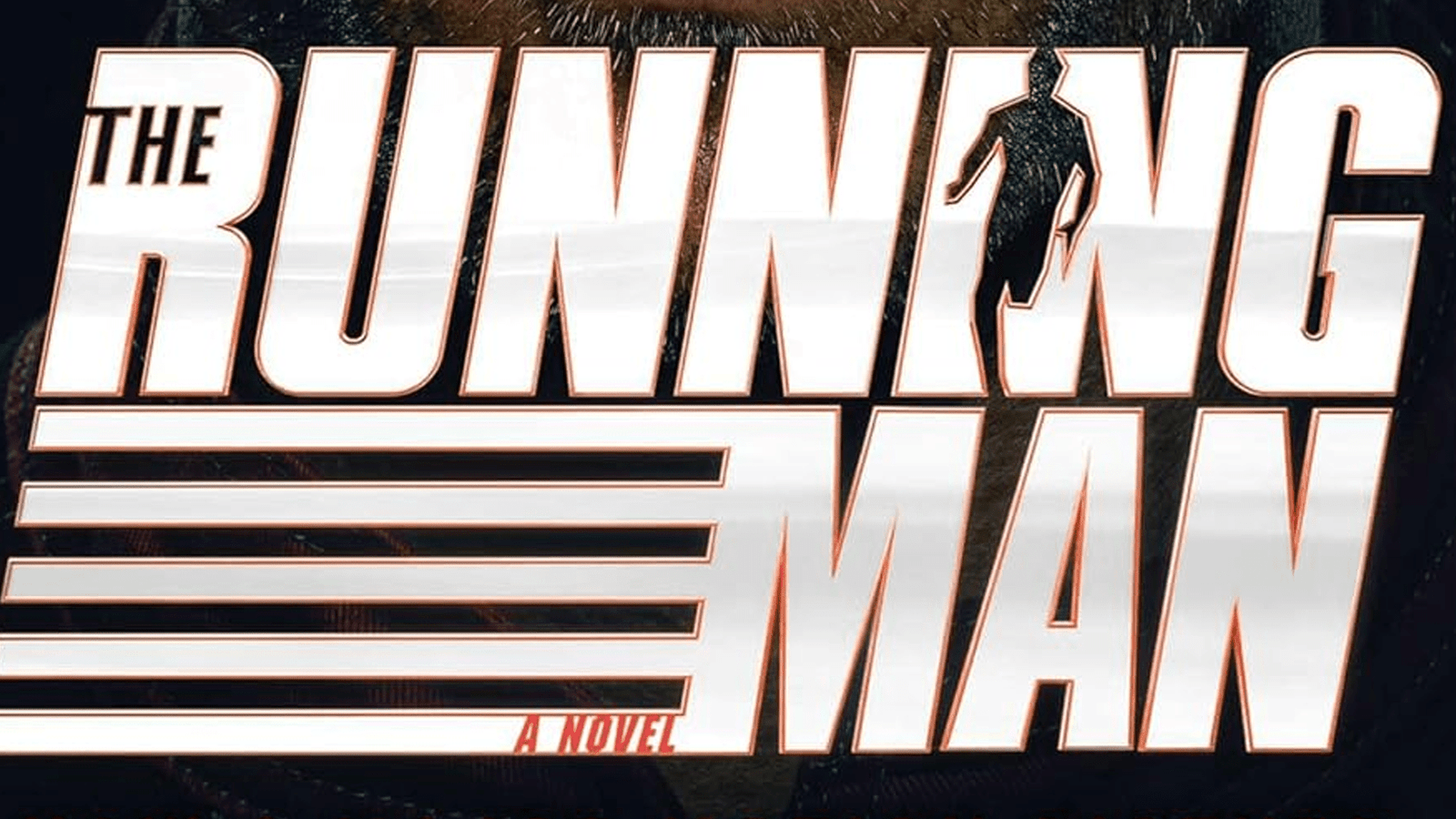

A Savage Chase Through a Broken Future: A Review of The Running Man
Review by Rob Shields
Stephen King’s The Running Man, originally published under his Richard Bachman pseudonym, remains one of the most arresting and propulsive dystopian thrillers of its era. Although the premise has been echoed in many later works of science fiction, the novel stands apart because of its sheer intensity, its gritty vision of social decay, and the desperate humanity beating beneath its violent surface. King wrote it quickly and with a raw edge, and that energy shows on every page. What begins as a simple setup grows into a harrowing portrait of economic inequality, exploitative entertainment, and one man’s fight to reclaim dignity within a world that has none left to give.
At the center of the story is Ben Richards, a man pushed to the margins of society and then shoved even further by circumstances beyond his control. Unlike the musclebound action heroes of similar narratives, Richards is sick, starving, and exhausted before the game even begins. He enters the deadly reality show not out of bravado but because he has no real alternative. His daughter is dying, his wife is already worn down by relentless poverty, and the promise of prize money is the only lifeline they have left. This decision grounds the story not in spectacle but in tragedy. Richards is not chasing glory. He is running because stopping means surrendering the last thing he has left: hope.
The rules of the game itself give the book much of its momentum. Richards is allowed to go anywhere in the world, but the entire population is authorized to report him for reward money. Hunters pursue him, the network broadcasts his escape attempts, and every move he makes becomes another piece of entertainment for an audience numb to violence. King builds the tension by framing the book around a countdown, each chapter marking the dwindling hours Richards has left to survive. It is a narrative device that works brilliantly, keeping readers aware of both the urgency and the inevitability of the conflict. Even during slower scenes, the ticking clock looms in the background.
What elevates The Running Man above a simple chase narrative is the bleak yet recognizable world that surrounds Richards. Pollution, unemployment, and corruption have eaten away at the once stable structures of society. The media holds enormous power, using propaganda to distract the masses from the inequality festering beneath the surface. The Games Network, which produces The Running Man, is both a source of entertainment and a tool for manipulation. It shapes public opinion, suppresses dissent, and transforms human suffering into spectacle. King’s portrayal of this media landscape feels unsettlingly prophetic.

Though the novel is often remembered for its violence and breakneck pace, it also carries surprising poignancy. Richards is not a perfect hero. He is angry, bitter, impulsive, and deeply flawed. Yet readers feel for him because everything he does stems from his desire to protect his family. His determination grows as he becomes more aware of the systemic injustice that put him in this situation. What starts as a selfish act becomes something larger. Richards begins to see himself not just as a victim but as a symbol of resistance.
King also excels at creating minor characters who linger in the memory. Allies and enemies alike carry enough personality to feel distinct even in brief appearances. Whether Richards is hiding in run-down neighborhoods or navigating the paranoia of strangers eager for reward money, each encounter helps paint a broader picture of a society on the verge of collapse. There is a sense that everyone is drowning, not just Richards. The difference is that Richards is the only one refusing to sink quietly.
The final act of the novel is explosive in both tone and theme. King refuses to offer easy victories or tidy resolutions. Instead, the ending strikes with brutal clarity, tying together the story’s critique of entertainment, government manipulation, and personal sacrifice. It is a conclusion that lingers long after the final page, largely because it refuses to compromise the emotional honesty that has guided the novella from the start.
For many readers, The Running Man first came into their lives not through the book but through the 1980s film adaptation starring Arnold Schwarzenegger. That movie remains entertaining in its own way, filled with bright costumes, over-the-top villains, and a sense of campy energy that makes it fun to revisit. It captures the spectacle of a deadly game show, but it transforms Richards into a traditional action hero and shifts the story into broader satire. A later film adaptation, which takes an even looser approach, offers additional entertainment value but again strays far from the original tone. Both films are enjoyable, the first especially for its nostalgia and pure entertainment factor, but neither captures the full weight and intelligence of King’s novella. The book carries a sharper edge, a darker heart, and a more emotionally resonant outcome than any screen version has yet matched.
In the end, The Running Man succeeds because it blends relentless pacing with a story that feels disturbingly plausible. King taps into fears about media control, economic despair, and the erosion of empathy, and he explores those themes not through abstract ideas but through the suffering and defiance of a single man. The book is raw, angry, gripping, and deeply human. It remains one of King’s most powerful early works and a stunning reminder of how science fiction can reveal truths about the world we already live in.
Rob’s Grade: 9.5/10
Find the book on Amazon.