A Wild, Twisted, and Darkly Hilarious Descent into the Absurd
Review by Rob Shields
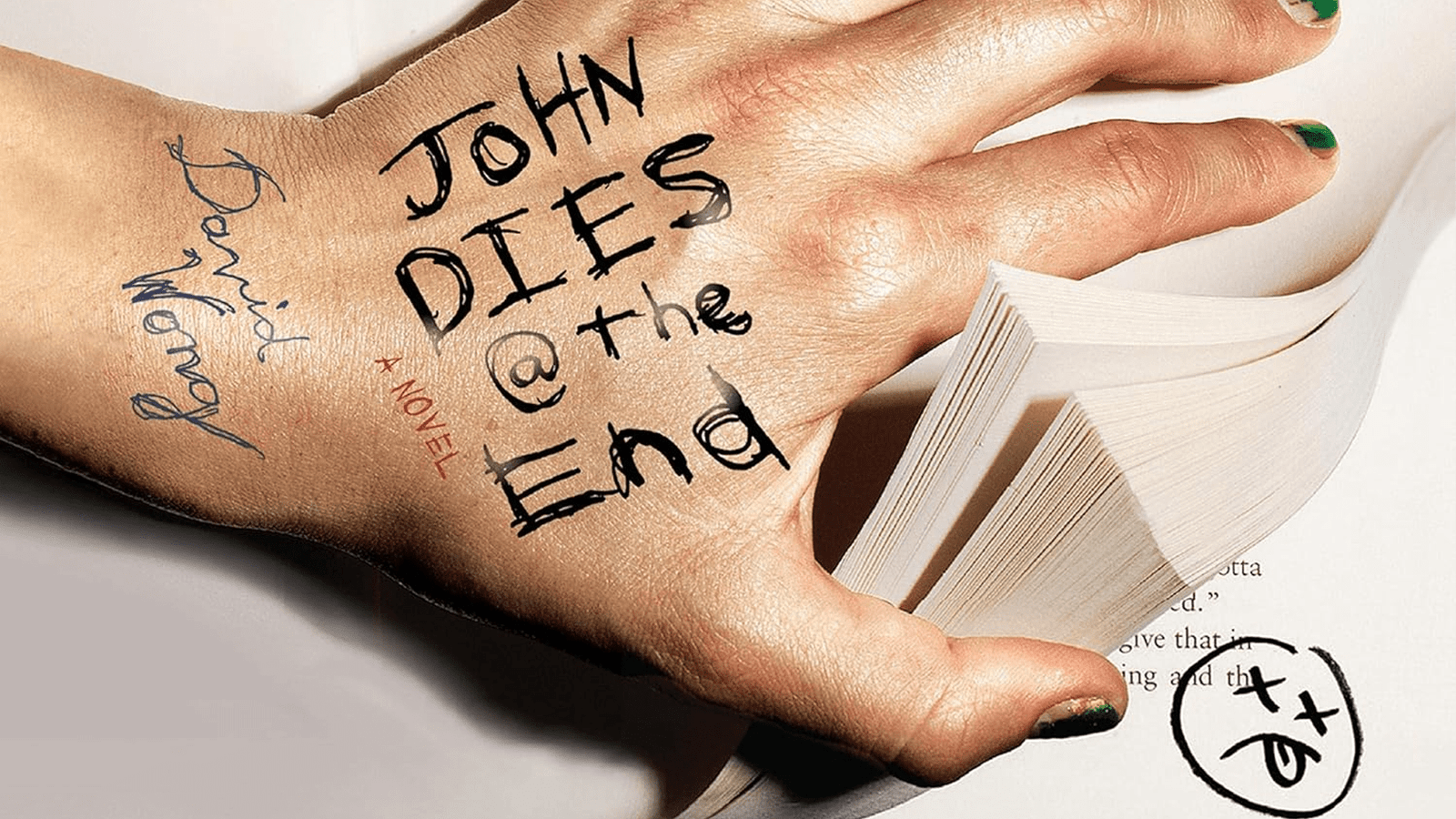
John Dies at the End by David Wong is one of those rare books that defies easy classification, not because it tries too hard to be experimental, but because its very DNA seems forged from chaos, invention, and a gleeful disregard for convention. It is horror. It is comedy. It is science fiction. It is a slacker buddy story. It is a fever dream delivered with a shrug and a smirk. And somehow, despite all these swirling layers, it works astonishingly well.
If I recall correctly, the book began as an episodic online release that gained traction among horror fans long before it was published in novel form. That origin makes perfect sense, because the structure feels like a series of escalating dares. Each chapter pushes the envelope further, as though Wong asked himself, “What is the strangest, most unpredictable thing I can possibly write next?” and answered by clearing that bar with room to spare.
I came to the novel after seeing the film adaptation, which I enjoyed for its quirky humor and offbeat approach. But as fun as the movie is, it barely scratches the surface of what the book accomplishes. The film captures the spirit, but the book is richer, stranger, funnier, and far more ambitious. Reading it after the movie felt like discovering hidden doors in a house I thought I already knew.
At its core, John Dies at the End follows two friends, David and John, who accidentally stumble into a world-threatening conspiracy after encountering a mysterious substance called Soy Sauce. This strange, sentient drug opens portals to other dimensions, alters perception in grotesque ways, and grants its users the ability to see horrors lurking behind the thin curtain of normal life. The setup alone is enough to hook a curious reader, but what elevates the story is the way Wong uses this concept to build a universe that operates by dream logic powered by anxiety, paranoia, and the intrusive thoughts of a bored young man who sees too much.
David is the narrator, and his voice is the glue that holds this bizarre narrative together. He is not a classical hero. He is not particularly brave, insightful, or noble. In fact, he is often frustrated, confused, and unprepared for the monstrosities that crash into his life. Yet he is compelling because his reactions feel authentic. He faces horrors that would terrify anyone, and he narrates them with humor that veers between dry, cynical, and panicked. There is something very human about the way he processes supernatural terror with a mix of resignation and disbelief, as though he cannot quite accept how insane his own story has become.
John, for whom the book is named, is even less of a hero in the traditional sense. Reckless, impulsive, and endearingly chaotic, he is the kind of friend who gets you into far more trouble than he ever gets you out of. Yet his presence brings a strange warmth to the story. He is the guy who shows up when you most need him, even if he has no idea what he is doing and occasionally makes things worse. His unpredictability adds comedic energy to scenes that might otherwise collapse under the weight of their monstrous imagery.
The novel balances its humor and horror better than almost any other book I can name. One moment, you are laughing at David’s dry commentary on the absurdity of an interdimensional threat. The next, you are confronted with something genuinely disturbing. The creature designs are inventive and eerie, and the ways in which the supernatural intersects with David’s reality feel original. Whether it is a grotesque monster assembled from meat in the shape of a man or a living shadow stalking its prey, the horror consistently lands with impact.
What stands out most is the book’s tone. It builds a world where the bizarre is normal and terror is mundane. David and John are not seasoned monster hunters. They are two guys from a small town who keep getting sucked into apocalyptic nonsense and facing it with sarcasm and a surprising degree of courage. Their reactions ground the story and prevent it from spiraling into pure absurdity. Even at its most surreal, there is emotional honesty beneath the madness.
The structure reflects the book’s origins as episodic fiction. Certain sections feel intentionally disjointed or loosely connected, as though different arcs were written months apart. Instead of weakening the novel, this quality enhances its charm. It feels like someone recounting unbelievable events in the order they remember them, which supports the narrative voice. Life does not present itself in neat, polished chapters, and neither does this adventure.
If the book has a weakness, it is that the chaotic tone and frequent tonal shifts may not appeal to everyone. Some readers may find the randomness overwhelming or the humor too irreverent for the darker aspects of the plot. However, for those who appreciate unconventional storytelling, the book’s willingness to embrace wild ideas is refreshing.
John Dies at the End is absurd horror comedy at its peak. It blends terrifying monsters with laugh-out-loud moments, introduces fascinating concepts, and offers a cast of flawed yet memorable characters. The pacing is brisk, the dialogue sharp, and the imagination limitless. It is easy to see why the book built a passionate following when it was released online and why its cult status endures. It is bold, chaotic, and unlike anything else in the genre.
For anyone who enjoys horror with a comedic bite, or comedy with a horrific twist, this book is a fantastic ride. It surprises at every turn, embraces strangeness with confidence, and rewards readers willing to jump headfirst into its madness.
Rob’s Grade: 8/10
Find on Amazon