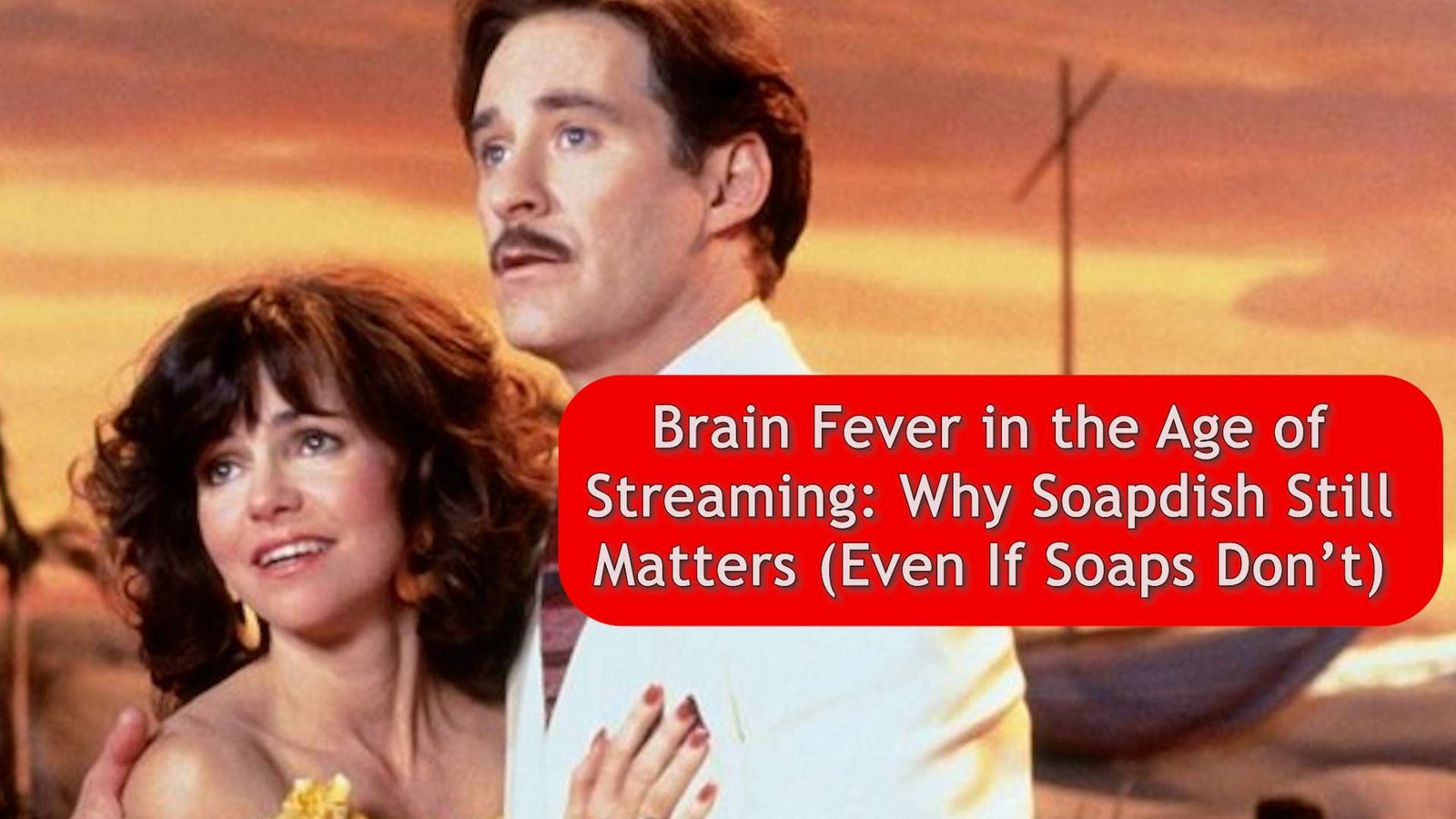
Brain Fever in the Age of Streaming: Why Soapdish Still Matters (Even If Soaps Don’t)
I recently took a personal day from work and a younger colleague reached out to check in. I jokingly texted back that I had “brain fever,” a throwaway line lifted straight from the 1991 comedy Soapdish. It’s one of those references that still makes me laugh every time I think about it. The problem is, the joke landed with absolutely no recognition. No pause. No “oh, that movie.” No curiosity. Nothing. Just polite concern.
And that moment kind of says everything.
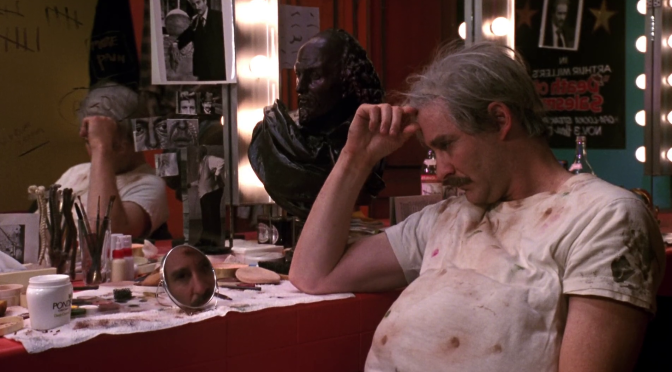
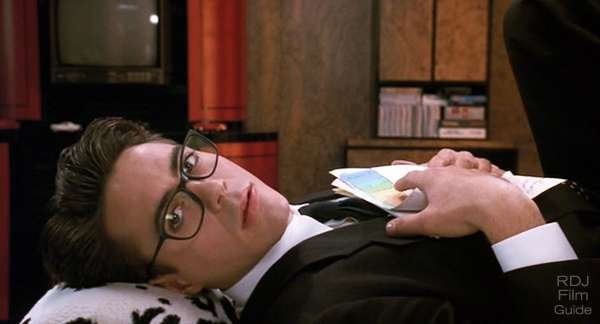
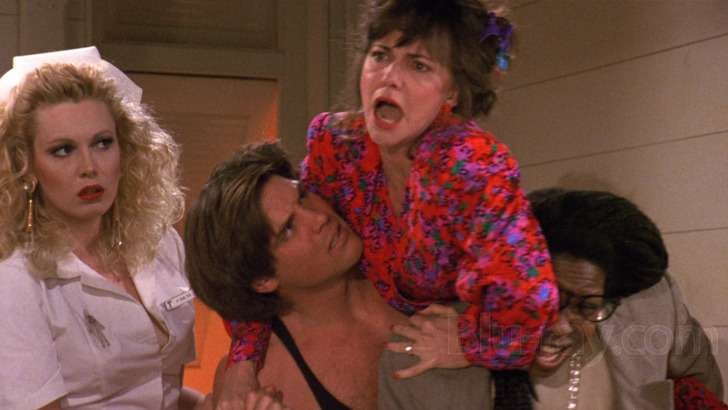
Soapdish, directed by Michael Hoffman, starring Kevin Kline, Sally Field, Teri Hatcher, Elisabeth Shue, and Robert Downey Jr., is a satire of the daytime soap opera industry. It’s smart, chaotic, absurd, and sharply written. I’ve seen it a handful of times over the years and always found it funny. But here’s the uncomfortable truth: not only is the movie culturally irrelevant to younger generations, it’s likely not even comprehensible. Not because the comedy is bad, but because the entire genre it satirizes no longer exists in any meaningful way.

Soap operas weren’t just TV shows in the 70s and 80s. They were cultural infrastructure. Even if you didn’t watch them, you absorbed them through osmosis. You knew about All My Children. You knew about Susan Lucci and her legendary Emmy losing streak whether you’d ever seen an episode or not. You knew about the “Summer of Luke and Laura” from General Hospital, even if you had no idea who Luke and Laura actually were. There was even a pop song about them. Soap operas lived in magazines, on talk shows, in grocery store checkout lines, and in everyday conversation. They were unavoidable.
Today, that ecosystem is gone.
The genre didn’t disappear overnight. It eroded slowly, replaced by other forms of serialized daily drama, then completely overwhelmed by technological and cultural shifts. And that collapse didn’t happen for one reason, but many.
Streaming and binge-watching culture fundamentally broke the soap opera model. Soaps were built on daily viewing, slow narrative drip-feeds, and long-term investment. Streaming trained audiences to consume stories in concentrated bursts, not ritualized routines. Viewers now expect full arcs, narrative payoff, and structural cohesion, not endless continuation. The idea of tuning in every weekday at 1 PM feels almost archaic in an on-demand world.
Reality TV filled the same psychological space soaps once occupied. Daily drama, interpersonal conflict, exaggerated personalities, serialized chaos, and cliffhangers all migrated into unscripted television. Shows like reality competitions, dating series, and docu-dramas became the new soaps, except they marketed themselves as “real,” making traditional soaps feel artificial and outdated by comparison.
Budget and production value gaps also became impossible to ignore. As prestige television exploded, production standards skyrocketed. Cinematography, writing, acting, and visual effects all advanced rapidly in scripted television. Soap operas, built on tight budgets and rapid production cycles, simply couldn’t compete visually or stylistically. What once felt glamorous started looking cheap, stagey, and visually flat next to high-end streaming content.
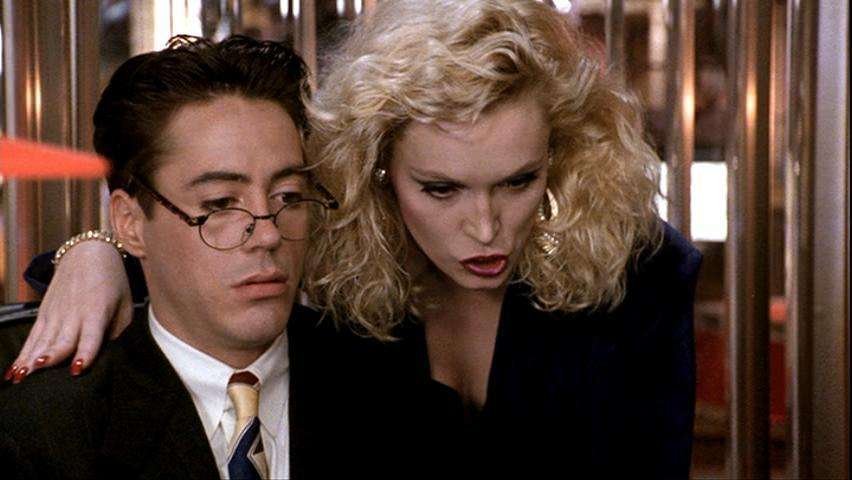
Repetitive storytelling became more obvious as narrative literacy improved. Soaps always relied on cycles: amnesia, secret twins, fake deaths, evil doubles, miraculous recoveries. But as audiences became more sophisticated and less patient with narrative stalling, these devices started feeling less dramatic and more lazy. What once felt comfortingly familiar began to feel creatively bankrupt.
Aging demographics played a massive role. Soap operas failed to regenerate their audience. Younger viewers never replaced older ones. As traditional viewers aged out, the genre lost its cultural continuity. Without generational handoff, soaps became culturally isolated instead of culturally central.
And finally, the daily structure itself became unsustainable. Modern life doesn’t support fixed viewing schedules anymore. Between work, commuting, streaming platforms, mobile entertainment, and content overload, keeping up with a daily serialized narrative feels more like homework than entertainment. Falling behind becomes overwhelming, and once you fall behind, you’re gone.
So yes, soap operas didn’t just decline. They evaporated.
Which makes Soapdish seem like a relic. A parody of a world that no longer exists. A satire without a shared reference point. And yet, strangely, the movie still works.
In many ways, it works better now than it did then.
First, the ensemble cast is absurdly strong. Everyone understands tone, rhythm, and comic timing. There are no weak links. The performances are big without being sloppy, exaggerated without being lazy, and grounded enough to keep the chaos coherent. That kind of ensemble precision is rare, especially in comedies.
Second, the film’s satire is genuinely smart. It doesn’t just mock soap tropes, it dissects the industry machinery: ego, manipulation, image control, narrative engineering, and manufactured emotion. It’s not making fun of soaps, it’s making fun of the systems that produce spectacle.
Third, the script is sharp and layered. The dialogue works as surface comedy and subtext simultaneously. You can enjoy it as farce, or read it as commentary. That dual function is hard to pull off and easy to mess up. Soapdish never loses its rhythm.
Fourth, its commentary on “reality” versus “performance” feels even more relevant now than it did in 1991. In the age of social media, influencers, curated identities, and algorithmic personas, the idea that people live inside constructed performances is no longer metaphorical. It’s literal. Everyone is managing an image. Everyone is a character. Everyone is a brand.
Fifth, the film is a masterclass in farce. The pacing, the misunderstandings, the escalating chaos, the timing of reveals, the structure of the madness. It’s classic farce mechanics executed cleanly. That style never goes out of fashion because it’s rooted in rhythm and structure, not trends.
And finally, it was ahead of its time in tone and style. It blends satire, absurdity, commentary, and theatricality in ways that feel more aligned with modern comedic sensibilities than early 90s studio comedy. It feels more like a prestige satire than a disposable studio farce.
So while soap operas are culturally extinct, Soapdish survives because it isn’t really about soap operas.
It’s about performance.
It’s about spectacle.
It’s about manufactured reality.
It’s about image management.
It’s about ego.
It’s about narrative manipulation.
It’s about the difference between who people are and who they pretend to be.
The soap opera world was just the container.
Which means my “brain fever” joke didn’t land because the reference is gone, not because the film is irrelevant. The cultural language shifted. The shared vocabulary disappeared. But the ideas underneath the comedy didn’t.
Soaps died.
But the spectacle didn’t.
The performance didn’t.
The drama didn’t.
The artificiality didn’t.
It just migrated platforms.
And in that sense, Soapdish isn’t outdated.
It’s prophetic.
It just predicted the wrong medium.
Read more from Brian’s Brain …