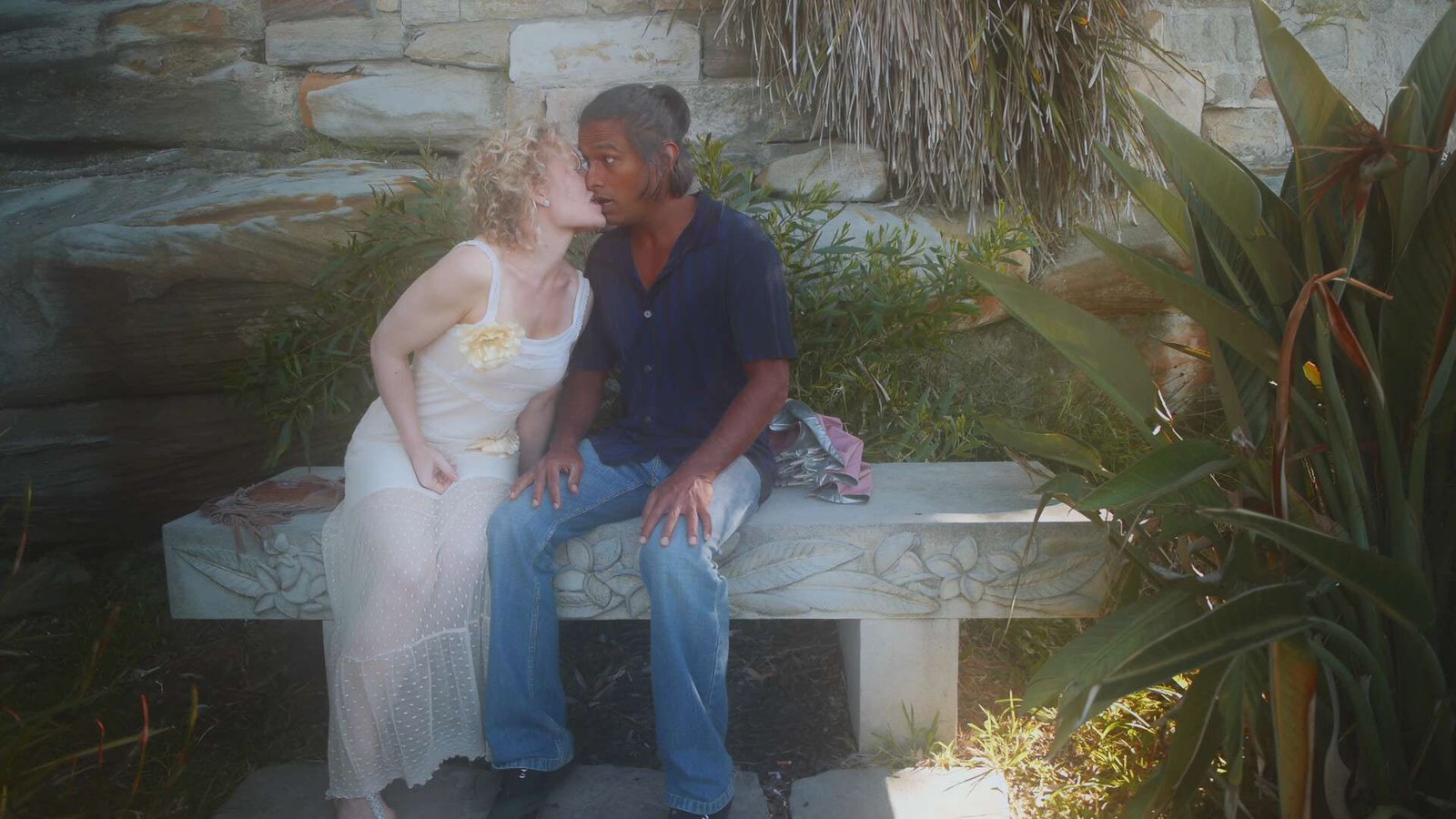

Romancing Sydney proves that even with rough edges and imperfect polish, a film made with genuine heart, fully realized characters, and emotional honesty can still leave you smiling long after the final note fades.
Romancing Sydney, written and directed by Anmol Mishra (read our recent interview), is the kind of small, heartfelt indie romance that sneaks up on you. It announces itself gently, with modest ambitions and a breezy tone, but gradually reveals a surprising emotional depth, strong character work, and an earnest affection for the messiness of human connection.
This is not a film trying to reinvent the romantic comedy or subvert it through cynicism. Instead, it leans into sincerity, choosing warmth, vulnerability, and emotional clarity over irony. That choice alone makes Romancing Sydney feel refreshing in an era where romance is often filtered through layers of sarcasm or high-concept gimmicks.
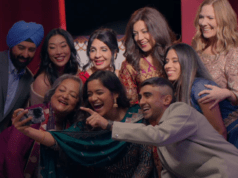
The film is not about a character named Sydney, but rather the location itself: Sydney, Australia. Romancing Sydney weaves a tale around six interconnected individuals, following how their lives intersect and how each of them grows through their relationships.
At its core, the film is about people who are not lost so much as uncertain. They know who they are, at least in broad strokes, but they are still figuring out where they belong and who they want to become. Mishra’s script understands this internal tension and treats it with empathy rather than judgment.
Every major character has a sense of purpose, even if that purpose is still forming, and the film takes its time allowing those identities to emerge organically rather than forcing them into convenient archetypes.
The ensemble cast is a major strength. Peter Hayes delivers a grounded and likable performance, anchoring the film with a natural ease that never feels showy. Hayes has a relaxed screen presence that makes his character immediately approachable, and his performance benefits from a subtle emotional honesty. He plays uncertainty not as weakness, but as a quiet, relatable state of being. There is a gentleness to his work here that fits perfectly with the film’s overall tone.
Opposite him, Gabrielle Chan brings warmth and intelligence to her role, offering a character who feels fully realized rather than designed simply to serve the romance. She communicates volumes through restraint, giving the character a sense of emotional maturity that elevates the entire film.
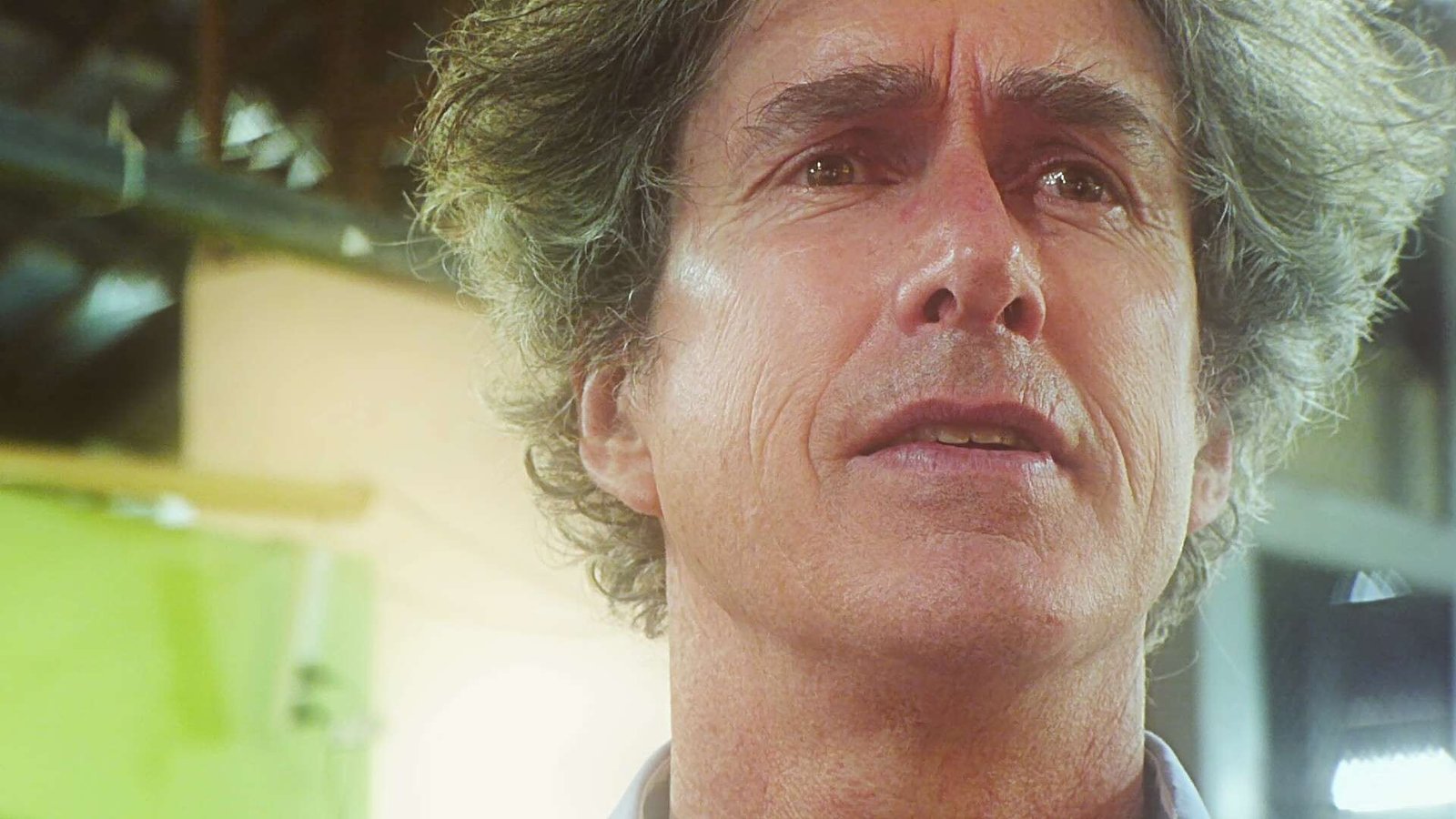
Supporting performances from this ensemble include Connor Dowling, Susanne Richter, and Mishra himself who round out the cast nicely. Each actor seems to understand exactly who their character is and why they exist within the story. No one feels extraneous. These are not broad comedic side characters or disposable narrative devices. They are people with clear motivations, personal histories, and emotional stakes. That clarity of purpose is one of the film’s most impressive achievements, especially given the constraints typical of low-budget indie productions.
Mishra’s direction favors intimacy over spectacle, and that works in the film’s favor. The camera often lingers just long enough to let emotions breathe, capturing awkward pauses, fleeting smiles, and moments of hesitation that feel authentically human. The film has a lived-in quality, as if these characters existed before the story began and will continue after it ends. That sense of continuity gives Romancing Sydney a gentle realism, even when the narrative leans into romantic fantasy.
The screenplay is also more playful than it initially appears. While the film presents itself as a sweet, straightforward romance, it is punctuated by unexpected twists that prevent it from becoming predictable. These turns are emotionally motivated shifts that deepen our understanding of the characters. The story trusts the audience to stay engaged without constant exposition, allowing discoveries to unfold naturally through interaction and behavior.
That said, it is important to address what does not work, because the shortcomings are noticeable and occasionally distracting. The most significant issue lies in the sound design and soundtrack. While clearly well-intentioned, the music often works against the film rather than supporting it. Instead of subtly underscoring emotion, much of the score announces itself loudly, telling the audience exactly how to feel and when. The effect is reminiscent of old-time variety shows or even a 1980s laugh track, where musical cues function as signals rather than enhancements.
In several scenes, the music arrives too forcefully, undercutting otherwise strong performances. Moments that could have been quietly poignant or naturally humorous are pushed into emotional overdrive by overly insistent cues. This is particularly unfortunate because the actors are more than capable of carrying these scenes on their own. The soundtrack’s heavy-handed approach occasionally pulls the viewer out of the story, reminding us of the film’s construction at precisely the moments when immersion should be strongest.
Visually, the film is competent and occasionally charming, though it does not strive for stylized cinematography. The emphasis is clearly on performance and story rather than visual bravura. This choice feels appropriate given the film’s intimate focus, but there are moments where a stronger visual identity could have added texture. Even so, the straightforward approach never feels lazy. It feels practical, aligned with the film’s modest scope and character-driven priorities.
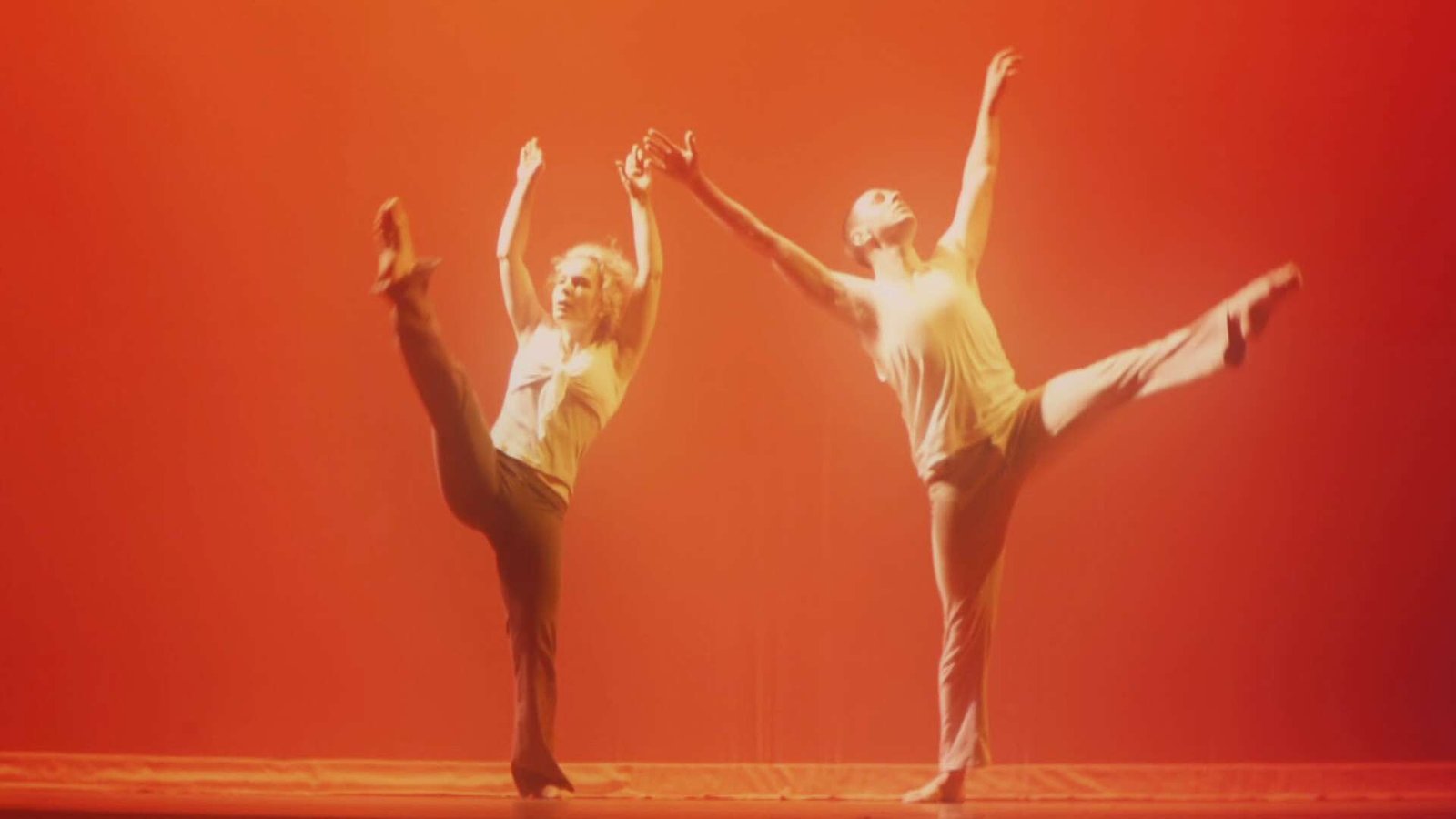
The movie also features periodic dance sequences, sometimes as a natural extension of the story and at other times drifting into the realm of magical realism. These transitional moments are handled nicely, and it is here that the sound design truly works, complemented by inspired choreography and thoughtful camera direction.
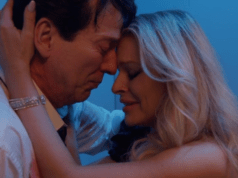
What ultimately makes Romancing Sydney work is its heart. The film is sincere without being saccharine, romantic without being naïve. It believes in its characters and asks the audience to do the same. There is a genuine affection for human vulnerability running through the entire project, and that affection is contagious. You may notice the rough edges, the technical imperfections, and the moments where the soundtrack overreaches, but you are likely to forgive them because the film’s intentions are so clearly rooted in care.
In the end, Romancing Sydney is a reminder of why indie cinema matters. It may not have the polish of a studio romantic comedy, but it offers something more personal and, in many ways, more rewarding. It is a sweet and endearing film with strong characters, heartfelt performances, and a clear sense of purpose. With a bit more refinement on the technical side, Mishra’s film could easily stand alongside the most beloved indie romances of recent years. As it is, it remains a charming, emotionally honest experience that lingers long after the credits roll.
Gordo’s Score: 8.5/10