
Point Washington Outlaws proves that the most meaningful stories aren’t always the most efficient, they’re the ones that feel lived in.
There’s something quietly defiant about Point Washington Outlaws, a documentary that resists the urge to dazzle and instead settles into something far more patient and personal. Written, directed, and produced by Kirby Clements, the film takes its time, sometimes to its benefit, sometimes to its detriment, but always with a clear sense of affection for its subject.
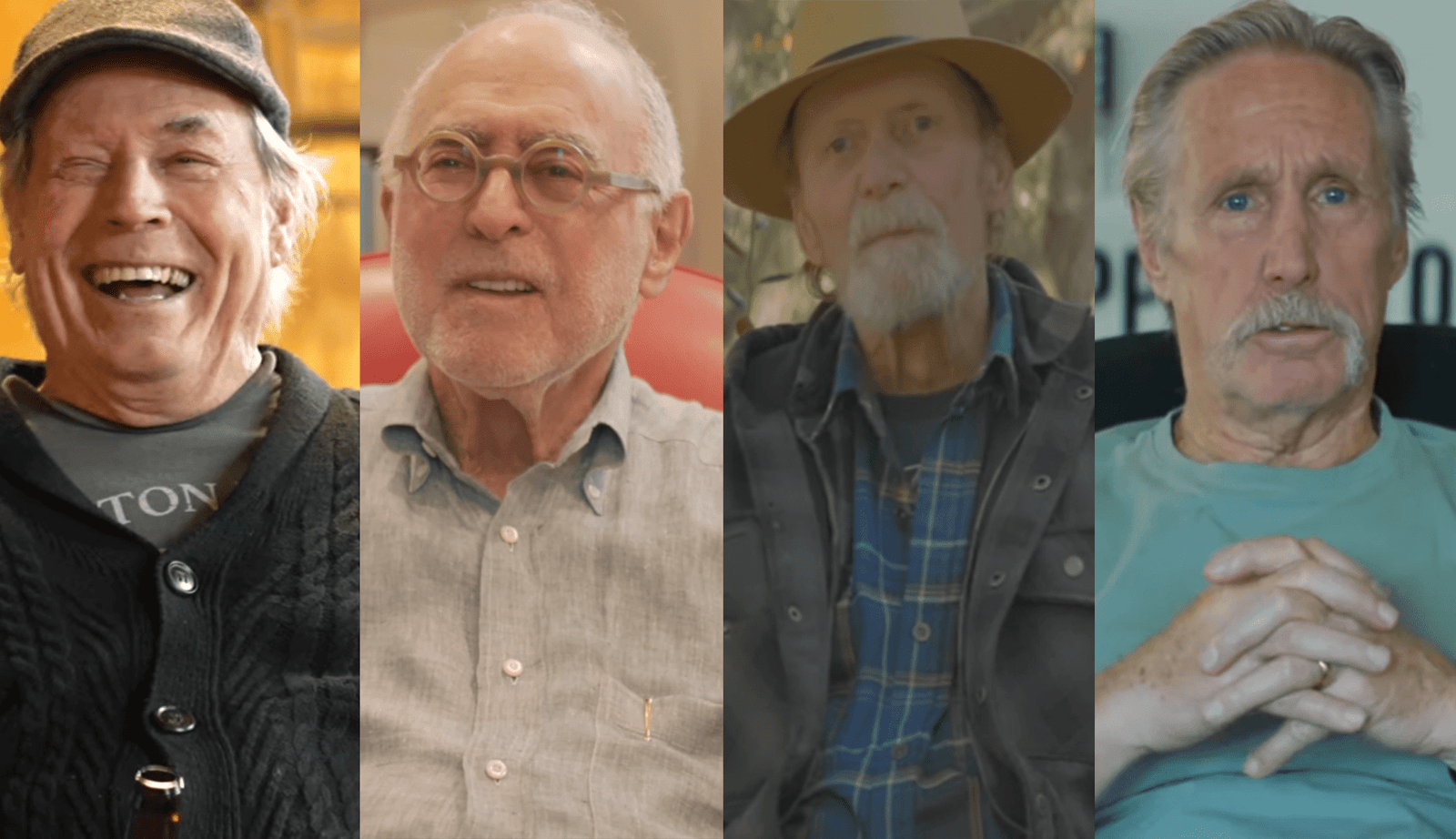
At the center of the film are four men, James Foley, Robert Davis, Gid Godwin, and Larry Barrett, each offering their own perspective on the evolution of Point Washington, Florida. They are vastly different personalities, yet bound by a shared connection to a place that has undergone dramatic change over the decades. Through them, the film becomes less about a single narrative and more about a collective memory, pieced together through lived experience.

Foley immediately stands out as the most dominant voice. He’s engaging, charismatic, and full of stories that stretch from personal history into something almost mythic. There’s an ease to the way he speaks, pulling the audience into a version of Point Washington that feels vivid and alive. At one point, reflecting on his return, he describes the area as “that sense of home you get,” a simple line that quietly anchors the entire film’s emotional core.
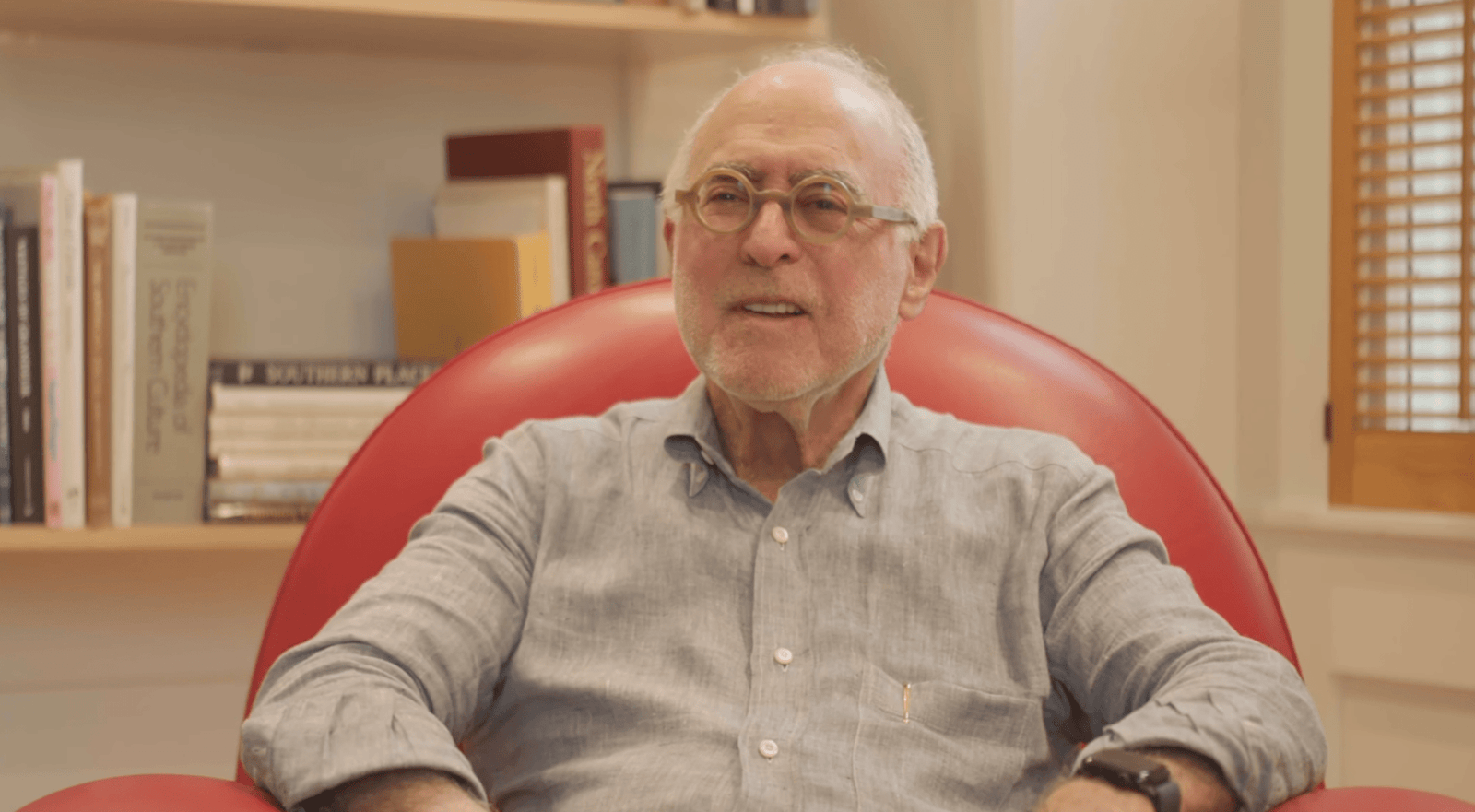
Davis provides a quieter, more reflective counterbalance, offering insight into the area’s architectural identity and the thoughtfulness behind its development. Godwin expands the scope, grounding the film in the physical space itself, while Barrett closes things out with an energy and authority that underscores just how deeply rooted these stories are.
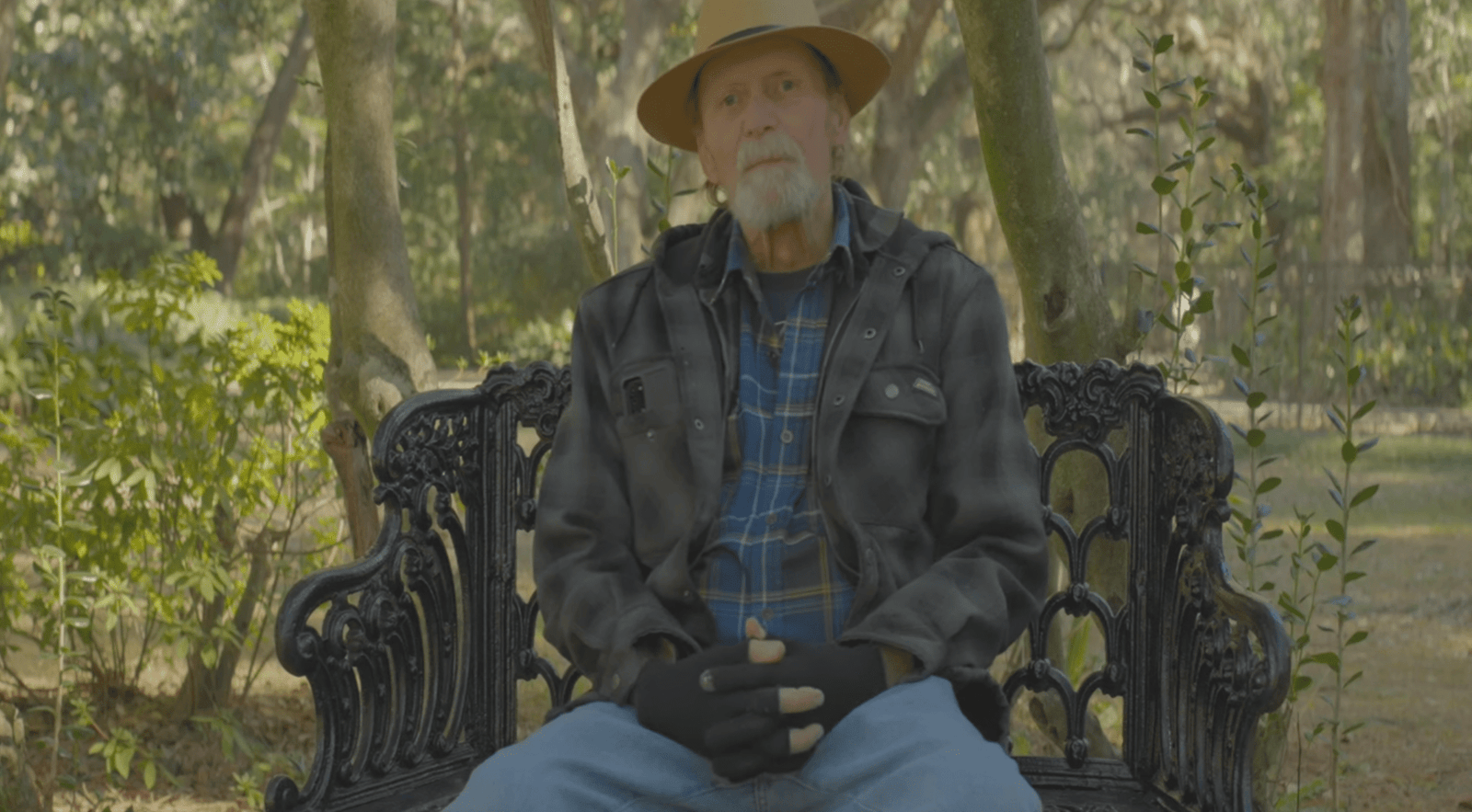
When the film is focused on these perspectives as pieces of a larger puzzle, it’s genuinely compelling. The central questions begin to emerge naturally. What happens to a place when development overtakes history? Who gets to define its value? And how do you hold onto identity when everything around you is changing?
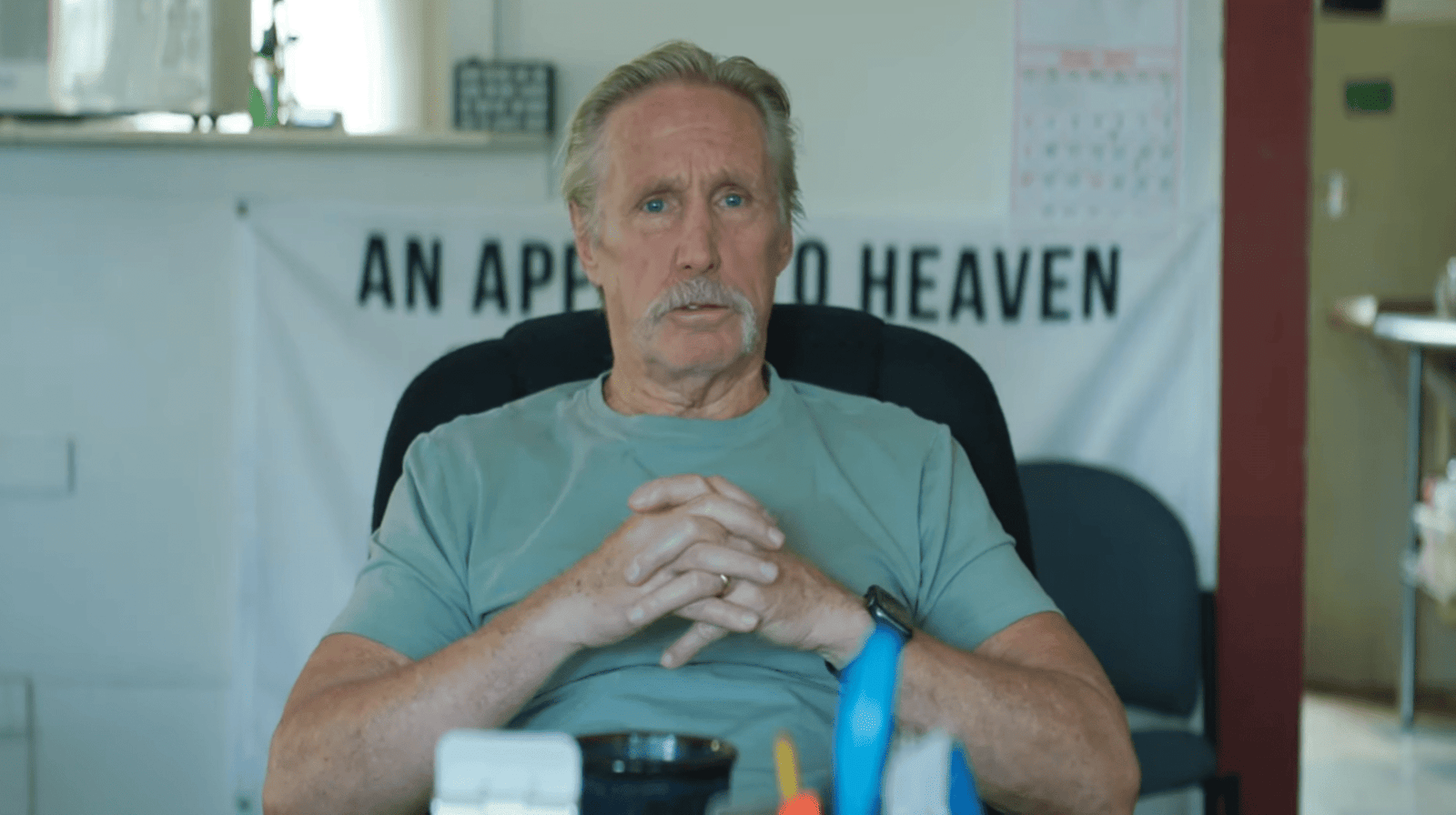
Visually, the film does a strong job reinforcing these ideas. The natural beauty of the area contrasts with signs of modern expansion, creating a quiet tension that mirrors the stories being told. The use of archival material and present-day imagery helps bridge past and present without feeling overly stylized. It’s a straightforward approach, but an effective one.
Where the film struggles is in its pacing.
Like many independent documentaries, Point Washington Outlaws falls into the trap of including too much. There’s a clear love for the material and the people being interviewed, but not every moment serves the larger story. The runtime stretches beyond what the narrative can comfortably support, and there are extended passages where the film lingers on personal anecdotes that, while interesting, don’t necessarily move things forward.
The imbalance is most noticeable in the structure. Foley’s extended presence early on creates a sense that the film is centered around him, making the transition to the other voices feel less fluid than it could have been. With the first 42 minutes dedicated to Foley, it is almost a surprise when Davis appears on screen. A more interwoven approach, allowing all four perspectives to develop in parallel, might have created a stronger rhythm and a more cohesive narrative drive.
There’s also a rawness to the film that won’t sit comfortably with everyone. Some of the language used by the subjects is aggressive and reflective of the eras they’re describing. It doesn’t feel inserted for shock value, but it does add a layer of discomfort that viewers should be prepared for. In a way, that unfiltered quality is part of the film’s identity. As Foley bluntly recalls about the past, “there was no work down here at all,” a line that helps explain not just the choices people made, but the culture that formed around them.
Still, there’s something undeniably authentic about the entire experience. Clements isn’t trying to manufacture drama or force a narrative where one doesn’t exist. He’s documenting people, place, and memory as they are, even if that means sacrificing a tighter structure. And when the film leans into its core strength, storytelling rooted in history and identity, it becomes deeply engaging.
This is a documentary that values presence over polish. It doesn’t always know when to cut away, but it knows how to listen. And in those moments where everything aligns, the voices, the history, the sense of place, it captures something that feels real and lasting.
Gordo’s Score: 8/10
You can read the interview with filmmaker Kirby Clements on INFLUX!