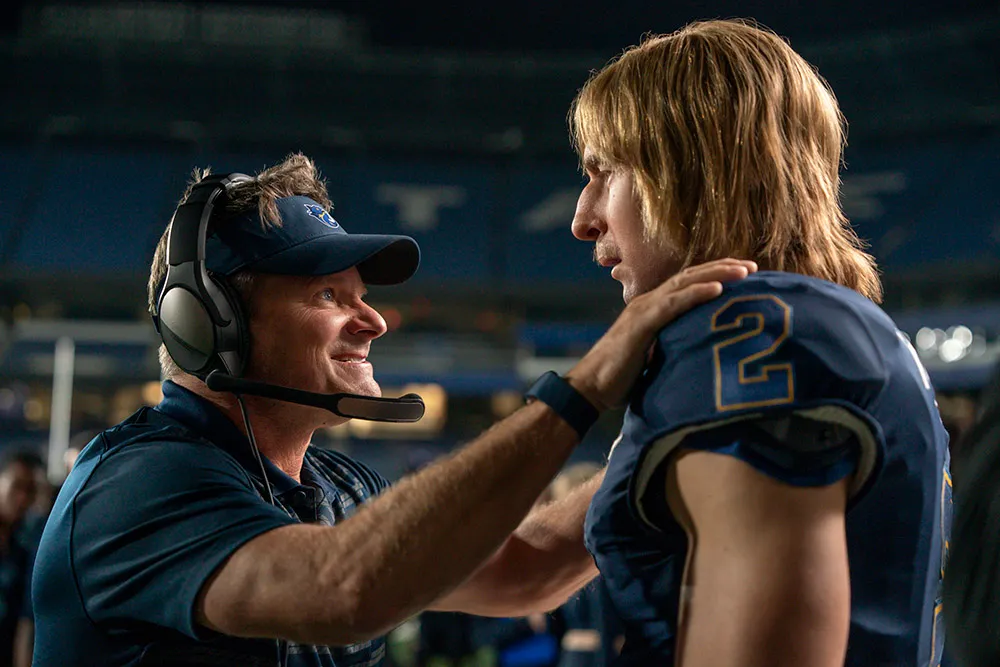

Chad Powers remains funny, charming, and wonderfully absurd, but Season 2 loses some of its heart when redemption gives way to revenge.
There is something inherently ridiculous about Chad Powers.
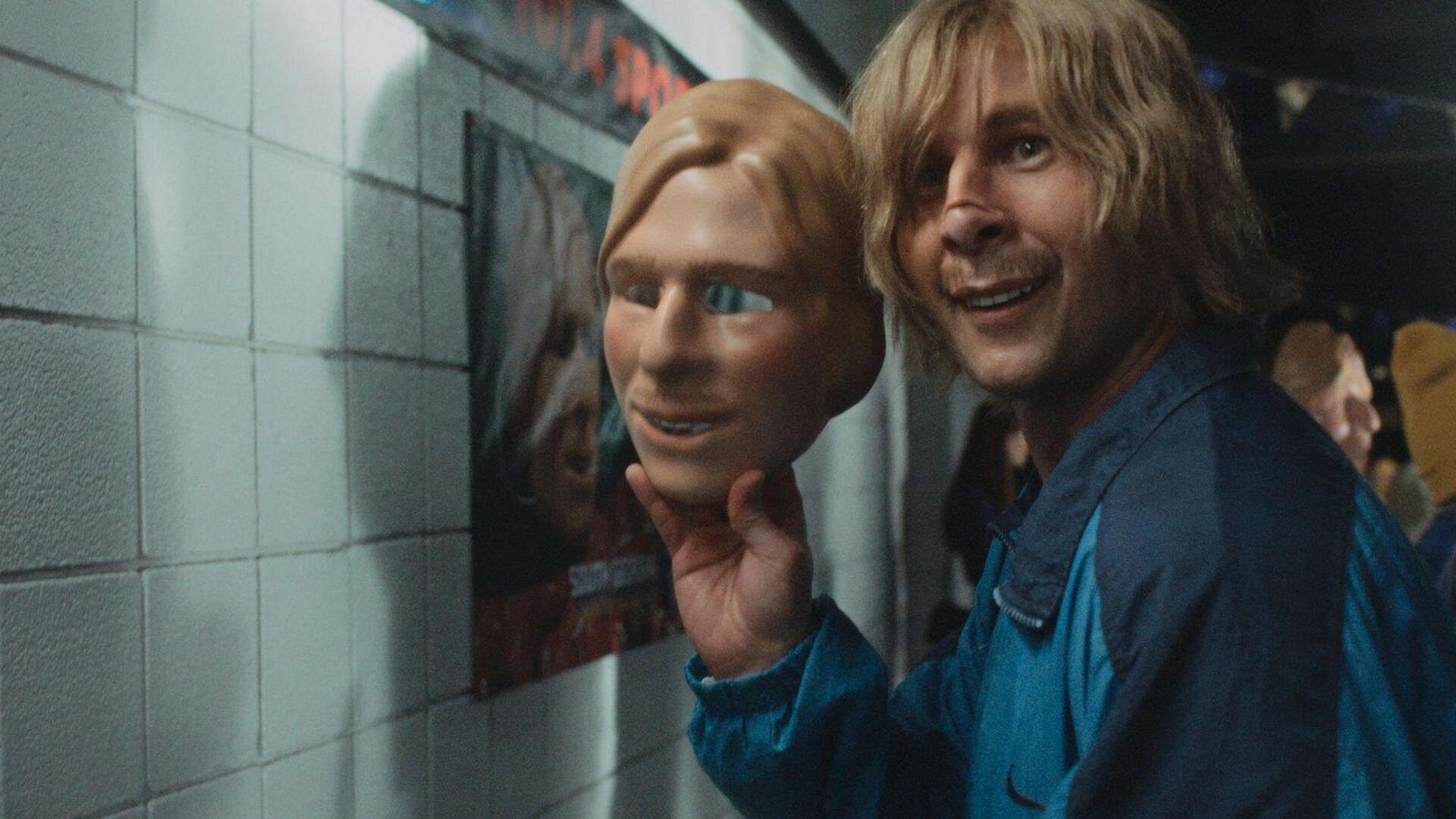
Russ Holliday, a disgraced former college football star, puts on a wig, some facial prosthetics, changes his voice, invents an entirely new personality, and somehow manages to convince an entire football program that he is a completely different person.
It is an absurd premise.
It is also exactly why Chad Powers worked so well.
The first season took what could have been a one-joke comedy and turned it into something surprisingly sweet. It was funny, occasionally ridiculous, frequently laugh-out-loud hilarious, but underneath all of that was a strangely effective story about redemption.
Not clean redemption.
Not particularly honest redemption.
But redemption nonetheless.
Russ Holliday wasn’t a misunderstood good guy. He was arrogant, selfish, and responsible for destroying his own career. Chad Powers became his escape hatch. Instead of confronting what he had done, Russ essentially disappeared inside another person.
And somehow, through Chad, he started becoming a better version of Russ.
That contradiction was the heart of the show.
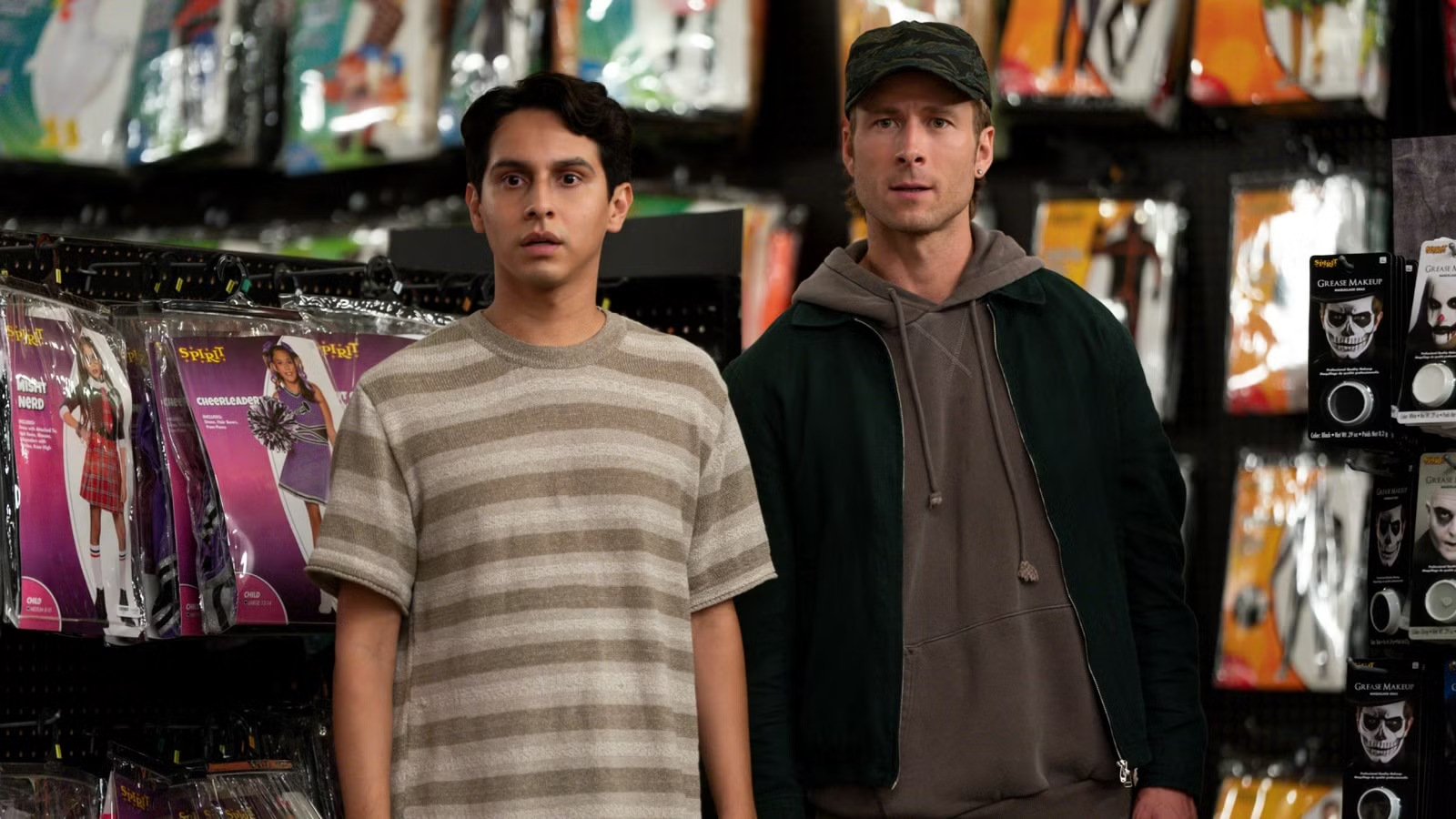
Russ was lying to everyone around him, but the relationships he developed as Chad were genuine. The friendships were real. His growing connection to the team was real. His affection for Ricky was real. And Danny’s belief in him gradually became something Russ desperately wanted to deserve.
The lie was terrible.
The person emerging from underneath it wasn’t.
That gave the first season a surprisingly strong emotional center.
There were genuinely heartwarming moments mixed in with the comedy, and the show understood that Russ couldn’t simply put on a ridiculous wig and instantly become a good person. He stumbled his way toward it.
Season 2 picks up exactly where the first season left off, and for its first three episodes, it does a terrific job maintaining that balance.
The secret is becoming harder to maintain. The relationships are becoming more complicated. Russ has more to lose because Chad Powers is no longer simply a disguise.
Chad has become a life.
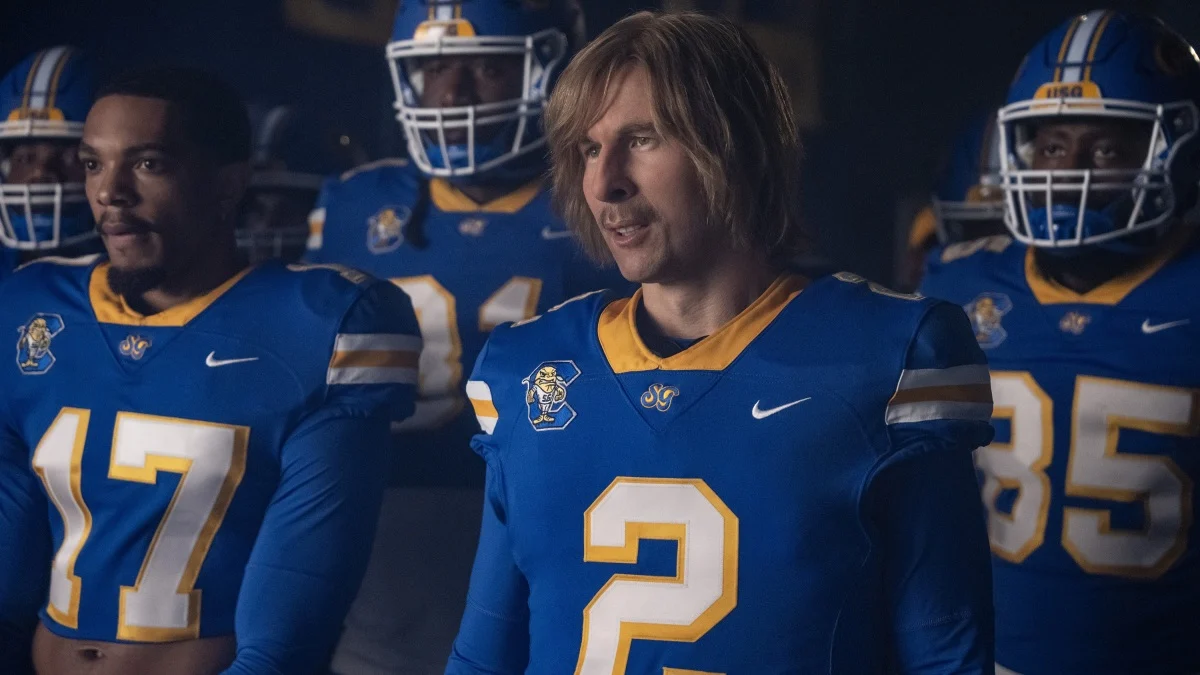
And perhaps more importantly, Chad has become someone Russ actually likes being.
That’s a fascinating idea.
How long can you pretend to be a better person before some of that person becomes real?
For roughly a season and a half, Chad Powers keeps circling that question while delivering the kind of escalating misunderstandings and close calls you’d expect from the premise.
Then Gerry Dougan enters the equation.
And somewhere around the fourth episode of Season 2, the show takes a turn.
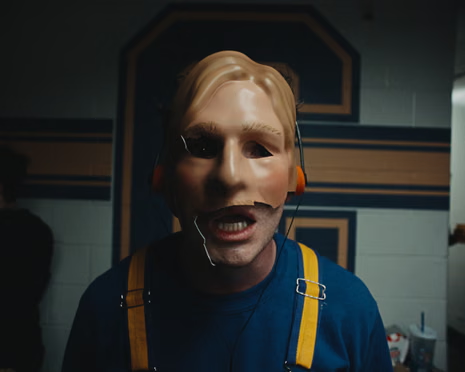
Gerry is the backup quarterback, and calling him troubled would be putting it mildly.
He begins spiraling into something approaching a psychotic revenge fantasy. He’s angry. He’s unstable. He’s increasingly obsessed with Chad. And as the situation escalates, Gerry becomes a legitimate threat to Russ and everyone protecting his secret.
On paper, that’s actually a pretty good complication.
Russ has spent all this time building a house of cards, and Gerry is suddenly standing nearby with a leaf blower.
The problem isn’t Gerry.
The problem is what Gerry brings out in everybody else.
Instead of using Gerry as another opportunity to explore the show’s central theme of redemption, Chad Powers turns him into someone who needs to be destroyed.
And Russ, Ricky, and Danny are more than happy to help.
That’s where the show begins losing some of the charm that made it work in the first place.
Because remember what we’re already being asked to accept.
Russ is committing an enormous deception.
He has created a fake identity. He is lying to teammates, coaches, friends, fans, and practically everyone else in his life. Other people have placed their trust in Chad Powers without realizing Chad Powers doesn’t actually exist.
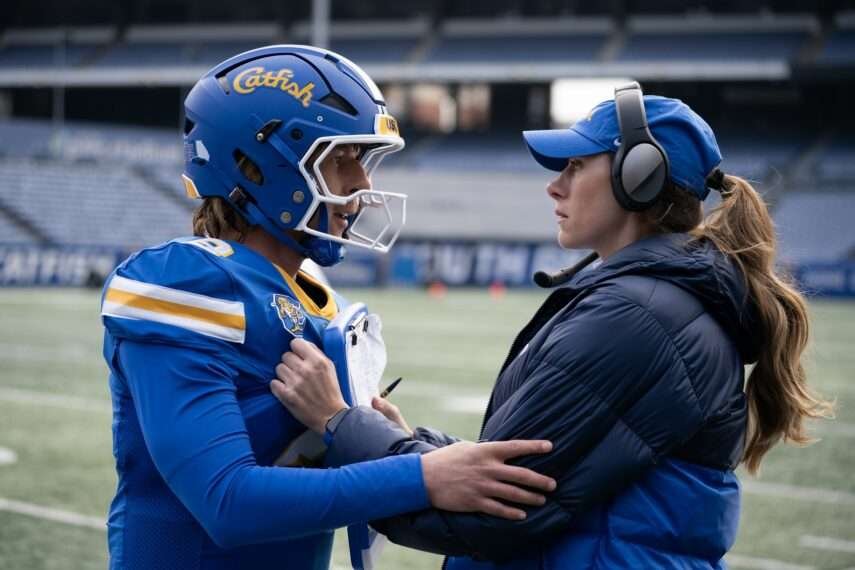
The show gets away with this because Russ is supposed to be learning something from the experience.
We’re willing to forgive the deception because we can see the possibility of something better growing out of it.
Then Gerry becomes a problem.
And rather than recognize a little bit of themselves in a guy who is clearly falling apart, our heroes decide to sabotage him.
They don’t simply stop Gerry.
They help crush his career, his reputation, his spirit, and whatever credibility he has left.
Granted, Gerry goes completely off the rails.
This isn’t an argument that Gerry is secretly the hero of Chad Powers. He’s not.
But that’s precisely why the storyline could have been so much more interesting.
What if Russ saw Gerry becoming consumed by the same kind of self-destructive behavior that once destroyed Russ Holliday?
What if Chad Powers, this fictional person Russ created while desperately searching for his own second chance, tried to give someone else one?
Now that would have been redemption.
Instead, Russ and company essentially pull the ladder up behind them.
Russ gets another chance.
Gerry gets shoved off the cliff.
And it becomes increasingly difficult not to notice the hypocrisy.
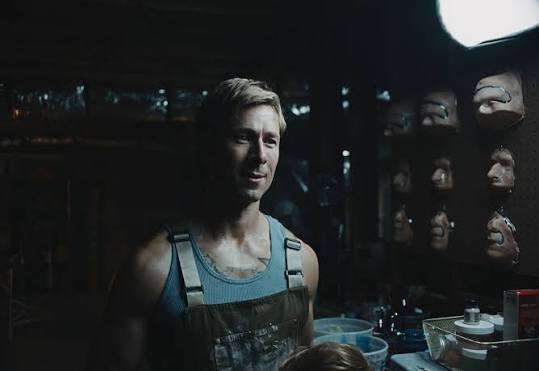
The guy whose entire life currently depends upon other people eventually forgiving an absolutely staggering series of lies isn’t particularly interested in extending much grace to somebody else.
Neither are the people helping him maintain those lies.
That’s a strange direction for a series that spent so much time convincing us that people are more complicated than their worst moments.
The final three episodes still have funny scenes.
There are still moments when the old Chad Powers shines through.
The cast remains game, the chemistry remains strong, and the fundamental premise is still entertaining enough to generate comedy almost automatically.
But the tone has changed.
What began as a skewed redemption story starts feeling like a dark and demented version of Three’s Company.
And I mean that pretty literally.
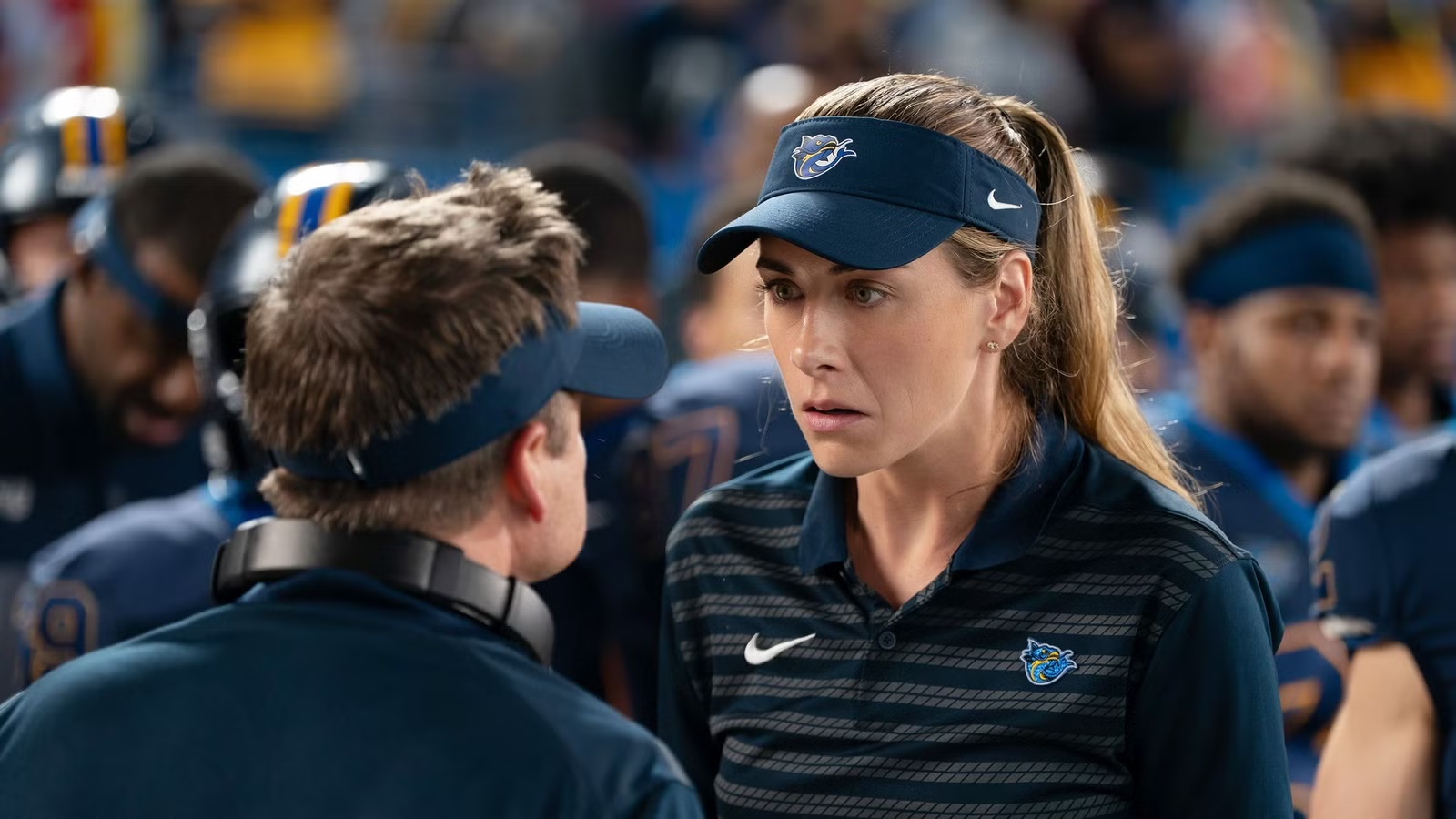
Three’s Company famously built entire episodes around misunderstandings that could have been resolved if two people simply stood in the same room and had a thirty-second conversation.
Chad Powers increasingly operates on the same principle, except now everybody is lying, manipulating one another, sabotaging careers, and occasionally behaving like lunatics.
Russ Holliday has constructed an elaborate alternate identity involving professional-grade prosthetics so he can play quarterback.
Television has evolved.
The sitcom lie apparently has too.
But Three’s Company understood that the deception was the joke.
Chad Powers initially understood something slightly more sophisticated: the deception was both the joke and the problem.
Russ couldn’t remain Chad forever.
Eventually the two identities had to collide.
And the dramatic question wasn’t simply whether everyone would discover the truth.
It was whether Russ Holliday would be a better person when they did.
That’s still the question hanging over the series.
But Season 2 complicates the answer in ways I’m not sure the show completely intends.
Because Russ has certainly changed.
He’s capable of caring about people in ways the old Russ Holliday probably wasn’t.
He’s developed real friendships.
He’s learned humility.
He’s experienced what it feels like to be part of something larger than himself.
There are moments when you can genuinely see the person he might become.
But he’s also gotten extraordinarily good at lying.
And now the people closest to him have become participants in those lies.
That changes the moral equation.
At first, Chad Powers was Russ Holliday’s deception.
Now it’s practically a conspiracy.
And once Gerry threatens that conspiracy, everyone closes ranks.
That’s where the series loses some of its innocence.
Maybe that’s intentional.
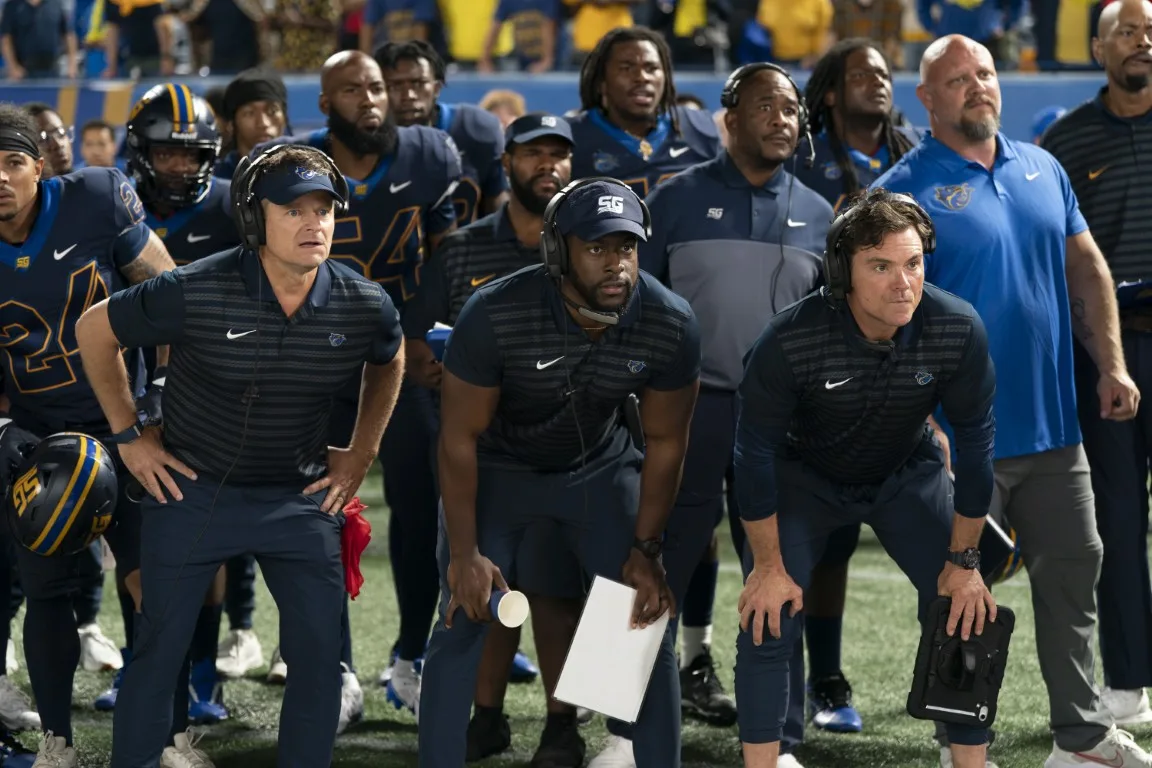
Maybe Chad Powers ultimately wants to show that redemption isn’t a straight line. Russ can improve in one area while remaining spectacularly broken in another.
That’s certainly more realistic.
But realism probably isn’t the first word anyone would use to describe a television series about a disgraced quarterback successfully fooling the world with a wig and a fake nose.
The show’s greatest strength was never realism.
It was sincerity.
For all the silliness surrounding Chad Powers, there was something wonderfully sincere about watching Russ discover that people could actually like him when he stopped behaving like Russ Holliday.
The joke was that he needed to become somebody else to discover who he really wanted to be.
That’s clever.
And occasionally, it was genuinely touching.
Which is why the Gerry storyline feels like such a missed opportunity.
Gerry could have been the ultimate test of everything Russ supposedly learned.
Instead of asking, “Can Russ protect the Chad Powers secret?” the show could have asked the much more interesting question:
“Has Russ become the kind of person who believes somebody else deserves the same second chance he received?”
Based on what happens, the answer isn’t particularly encouraging.
And maybe that’s where Season 3, assuming the story continues, can find its way back.
Because eventually the wig has to come off.
Eventually Chad Powers has to disappear.
And when that happens, Russ Holliday is going to have to stand in front of all these people without the prosthetics, without the voice, without the ridiculous persona, and explain why he lied to them.
At that moment, Russ is going to want something very badly.
Understanding.
Compassion.
Forgiveness.
A second chance.
Everything, in other words, that Gerry Dougan probably could have used.
That’s why Chad Powers remains such an interesting show despite the darker direction of the second half of Season 2.
It’s still funny.
It’s still absurd.
And when it finds the right emotional note, it’s still surprisingly heartfelt.
But the series has accidentally created an even bigger question than whether Russ Holliday can successfully keep pretending to be Chad Powers.
It’s whether becoming Chad Powers actually made Russ Holliday a better man.
Season 1 made me think it had.
The beginning of Season 2 made me believe it even more.
By the end of Season 2?
I’m not so sure.
And strangely enough, that may be the most interesting place Chad Powers could have left us.