A Song of Pain and Beauty: Revisiting Anne Rice’s Cry to Heaven
Review by Rob Shields
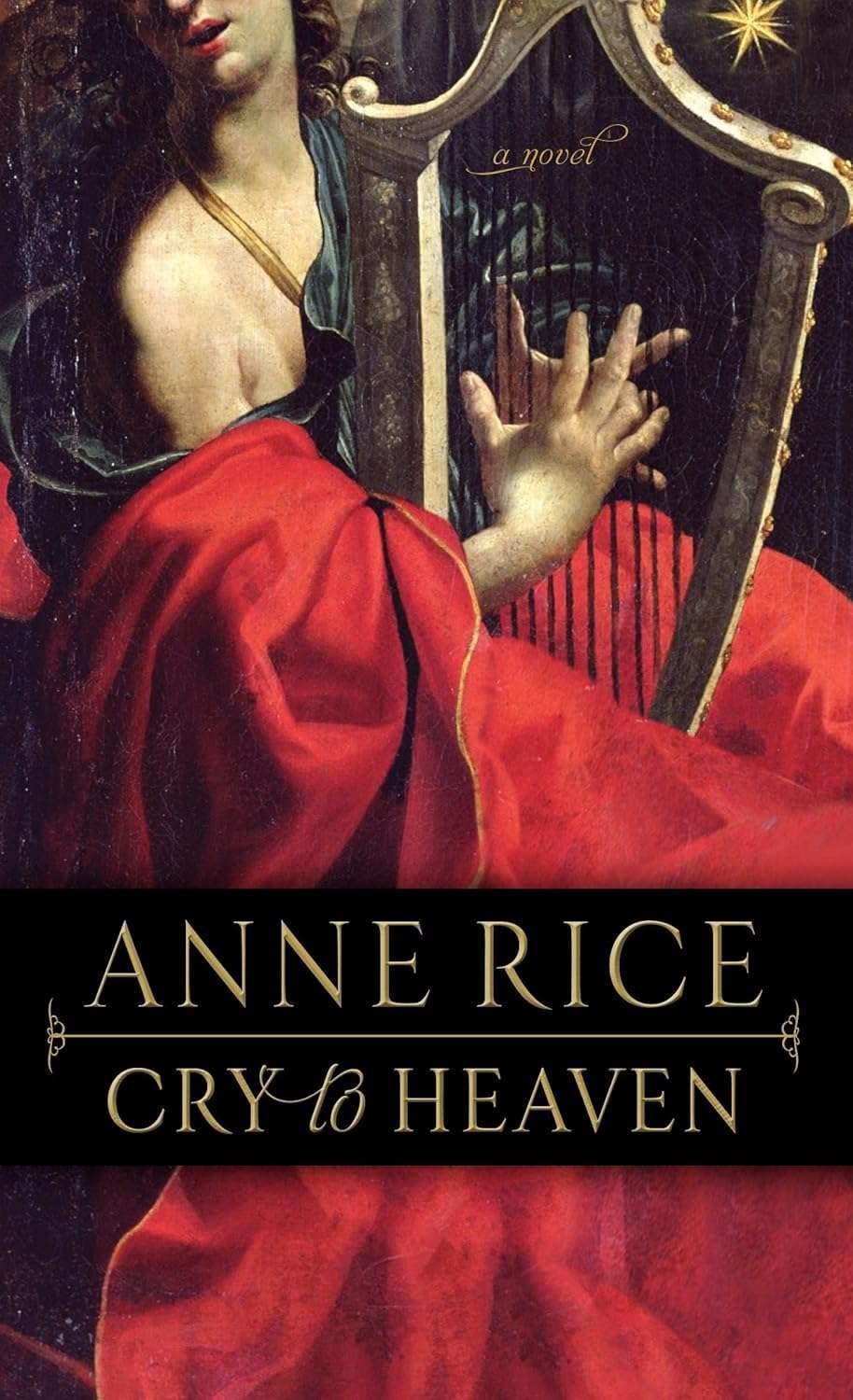
Anne Rice’s Cry to Heaven stands as one of her most astonishing and overlooked achievements, a novel that proves how deeply she understood the human heart in all its contradictions. While she is often celebrated for her vampire chronicles or her gothic and supernatural works, it is this historical epic about the world of the Italian castrati that, for me, reveals Rice at her most fearless, most lyrical, and most humane. It is a controversial novel, tragic in its foundations, but also profoundly compassionate. Few books capture the intersection of art, suffering, identity, and longing with the power that Cry to Heaven does.
The story centers on Tonio Treschi, the young Venetian nobleman whose life unravels in the most brutal way. Betrayed by those closest to him, Tonio is forced into a transformation he neither sought nor fully understands until it is too late. What follows is not simply a tale of revenge, but a journey into a world where music becomes both prison and salvation. The training of the castrati, described with haunting detail, pulls the reader into an environment where the boundaries between beauty and cruelty collapse. Rice does not sensationalize the suffering of these boys. Rather, she renders their world with sympathy, recognizing how art often grows out of brokenness.

Tonio’s transformation from an ordinary youth to a singer with an almost unearthly voice is one of the richest arcs in Rice’s body of work. His discipline, his rage, his moments of despair, and his flashes of pride all combine into a portrait of a character who is fractured yet resilient. He is not a symbol or a device. He is a person wrestling with what has been taken from him and what has unexpectedly bloomed in its place. The novel’s emotional weight depends heavily on Tonio, and Rice crafts him with nuance and depth. He is at once sympathetic and flawed. His suffering generates empathy, but his choices challenge the reader to grapple with their own understanding of justice, identity, and forgiveness.
Behind Tonio stands Guido Maffeo, the maestro who becomes both mentor and anchor. Guido’s own tragedies are woven into the narrative with quiet force. Together, Tonio and Guido transform the story from a simple revenge narrative into a meditation on art as both refuge and weapon. Their relationship is entirely unique, filled with tension and tenderness. Guido’s guidance gives Tonio something to cling to when everything else has been stripped away.
What distinguishes Cry to Heaven from other historical novels is the way Rice blends meticulously researched period detail with a narrative voice that feels almost operatic. Her descriptions of Venice, Naples, and the opera houses of eighteenth century Italy are immersive. She pulls the reader into a world of candlelit halls, gilded balconies, and the intense discipline of musical training. Yet she never loses sight of the humanity beneath the spectacle. Even the secondary characters feel vivid, each shaped by their own ambitions, losses, or illusions. The political intrigue of Venice, the corruptions of nobility, and the inherent fragility of artistic fame all feed into the central tragedy.
This is not merely a novel about a dark corner of history. It is a novel about transformation and the cost of surviving it. The controversies that surround the subject matter are not shied away from. Rice addresses them directly through the lived experience of her characters. She neither softens nor exploits the pain of the castrati. Instead, she reveals the ways in which society often elevates beauty at the expense of those forced to embody it. In doing so, she crafts a narrative that is both heartbreaking and illuminating.
What also makes Cry to Heaven remarkable is its emotional honesty. The story is filled with betrayal, longing, shame, triumph, and the desperate need to be seen. The tragedies are real, but so are the moments of transcendent beauty. When Tonio sings, the reader can almost hear it. When he struggles to reconcile who he was with who he has become, it resonates on a universal level. The novel explores themes of identity and selfhood with a depth that is rarely matched. While many of Rice’s works deal with supernatural metamorphosis, the metamorphosis here is painfully human.
This is an often overlooked masterpiece within the Anne Rice catalog. It deserves to be recognized not only for the boldness of its subject matter, but also for its ability to speak to readers across decades. It is one of Rice’s most human works, one that lingers in the memory long after the last page is turned. The emotional and psychological landscapes she builds are just as compelling as the historical ones. The story is large, yet intimate. It is brutal, yet exquisitely tender.
Cry to Heaven is not simply a novel to be read. It is a novel to be experienced. It challenges, wounds, heals, and ultimately elevates. For readers willing to step into its world and face its complexities, it offers a journey that is as unforgettable as it is profound.
Rob’s Grade: 10/10
Find the book on Amazon.