A Cathedral Built in Words: A Review of Pillars of the Earth
Review by Rob Shields
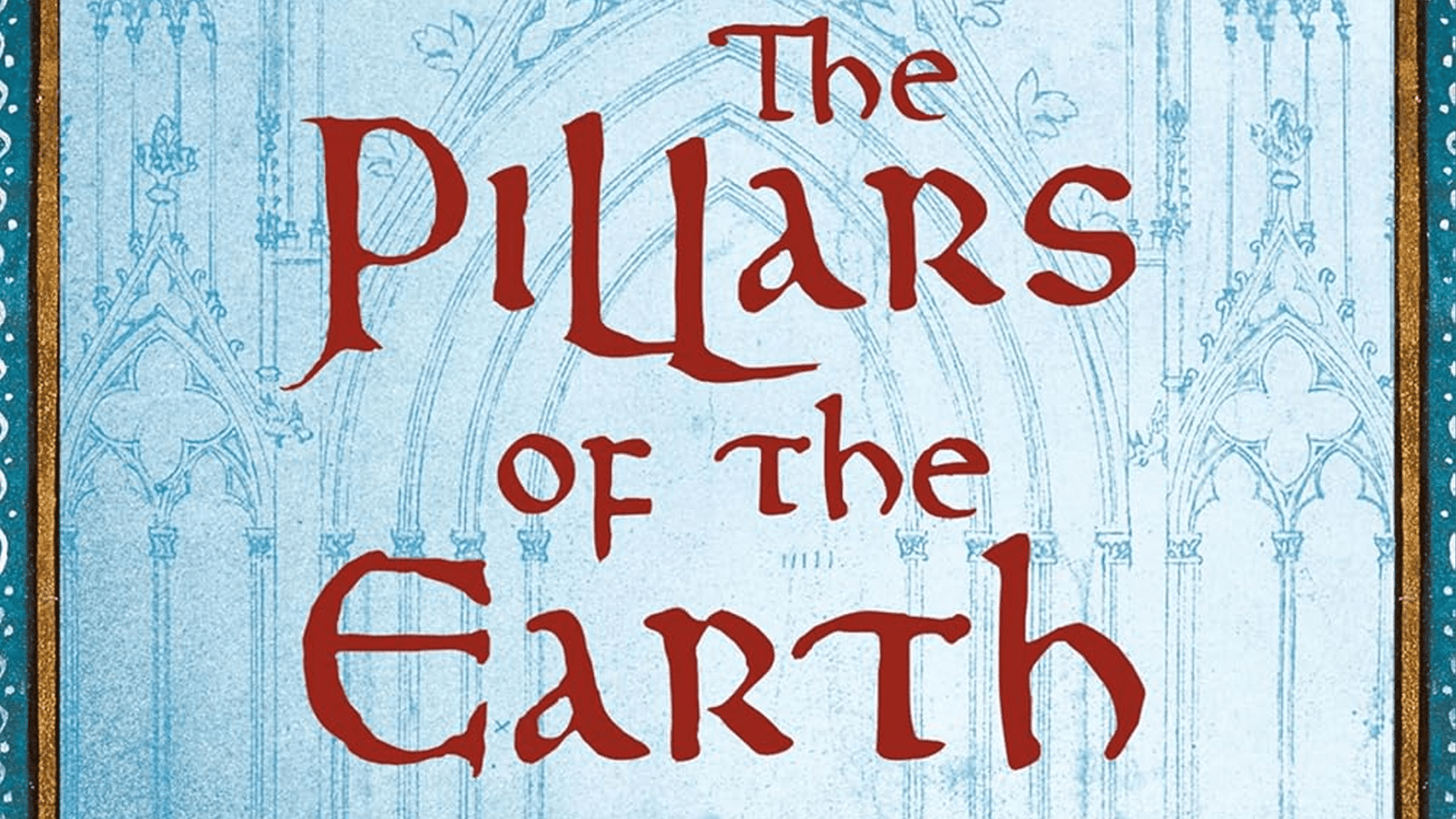
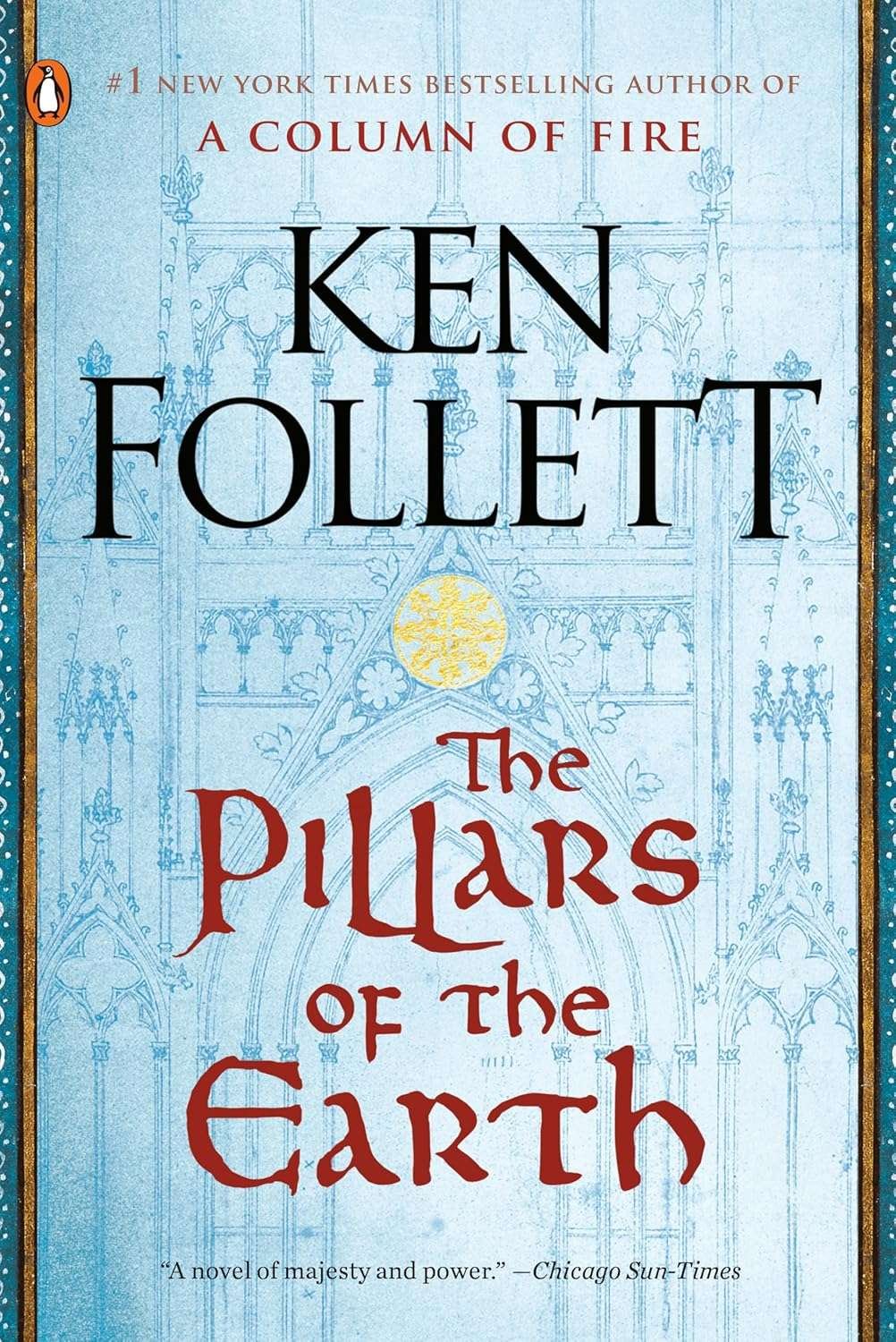
Ken Follett’s Pillars of the Earth remains one of the most ambitious, absorbing, and emotionally resonant works of historical fiction ever written. Each time I return to it, I am struck not only by its sheer narrative power but by how fully it transports the reader into the medieval world. This most recent revisit marks my fourth full read, and the experience has only reinforced my belief that it stands among the greatest novels written, contemporary or otherwise. I understand it is sometimes difficult to get past the canon of a bygone literary era, especially in a landscape full of modern authors experimenting with form and style, but Follett’s epic deserves a place beside the most celebrated works of narrative art.
What makes Pillars of the Earth a masterwork begins with its scope. It spans decades of political upheaval, social change, architectural innovation, and personal struggle, yet not a single thread feels out of place. Follett crafts a story centered on the construction of a cathedral in the fictional town of Kingsbridge, but the cathedral itself becomes a metaphor for human resilience, ambition, and faith. Every stone set in place reflects a character’s hope or failure, and every architectural triumph represents the perseverance required to bring something meaningful into the world.

At the heart of the story is Tom Builder, a man whose dream of constructing a cathedral serves as the emotional anchor for the entire novel. Tom is not presented as a genius but as a devoted craftsman whose knowledge is practical rather than academic. This grounding of the story in the daily labor of medieval life gives the novel its credibility and texture. The details of quarrying stone, designing arches, erecting scaffolds, or adjusting vaulting never feel like lectures. Instead, they illuminate the passion of a man who wants to leave something lasting behind. His journey is both humble and profound.
Equally compelling is Aliena, whose resilience is one of the book’s defining strengths. Her story begins with tragedy, but she never becomes defined by suffering. Instead, she rebuilds herself with quiet determination, finding ways to survive in a world designed to strip women of agency. Her growth is one of the most rewarding arcs in the novel. She represents the human capacity to rise after devastation and to shape one’s destiny even when the world offers little kindness.
Jack, Philip, Ellen, and the various supporting characters add complexity to the narrative. Jack’s curiosity and creativity drive the story forward, Philip’s devotion guides the moral compass of the novel, and Ellen’s rebellious spirit challenges the rigid structures of the society around her. Even the antagonists are layered. William Hamleigh is vicious, selfish, and cruel, yet Follett never turns him into a caricature; instead, he allows the reader to understand the cultural forces that shaped someone capable of such destruction. Similarly, Waleran Bigod embodies political ambition at its most manipulative, which gives the story tension rooted in historical reality rather than melodrama.
One of the most remarkable aspects of Pillars of the Earth is how accessible it remains despite its length and subject matter. Many historical novels drown the reader in exposition, but Follett’s prose flows with clarity. His style is direct, engaging, and cinematic. You feel every winter frost, every hunger pang, every betrayal, every triumph. The pacing rarely falters. Even moments of political maneuvering, which could easily bog down a novel of this size, feel crucial because they are woven into character arcs.
Thematically, the novel explores faith, power, architecture, morality, and survival. Yet none of these themes feel heavy-handed. Instead, they emerge naturally from the characters’ choices. The cathedral is not built by saints but by fallible people. It rises despite corruption, greed, violence, and political manipulation. That contrast gives the novel emotional weight. It shows that human progress often emerges from imperfect hands, and that beauty can be born from hardship.
This message resonates even more deeply with every reread. Knowing what is coming heightens the appreciation for how carefully Follett constructs his narrative. Early seeds bear fruit hundreds of pages later, character flaws evolve into defining strengths, and small details turn into significant plot points. The craftsmanship mirrors the cathedral itself: sturdy, deliberate, enduring.
Another reason the novel continues to resonate is its timeless commentary on the nature of ambition. Many of the characters are driven by dreams larger than themselves, whether artistic, political, or personal. Follett never condemns ambition but instead examines the choices people make in pursuit of it. For some, ambition becomes a force for creation. For others, it becomes a weapon. The contrast adds richness to the story and keeps readers reflecting long after the final page.
Ultimately, Pillars of the Earth stands as a monumental achievement because it balances grand storytelling with intimate emotional detail. It is a novel that can be read for entertainment, for historical insight, for its character development, or simply for the pleasure of watching a master storyteller at work.
Calling it one of the greatest books ever written might sound bold, but after four complete readings, I feel more confident in that conviction than ever. This is historical fiction at its finest: immersive, heartfelt, expansive, and unforgettable. Like the cathedral at the center of its story, Pillars of the Earth is built to endure.
Rob’s Grade: 10/10
Find the book on Amazon.