The Glittering Surface and Hollow Center of an American Classic
Review by Rob Shields
The Great Gatsby is often held up as one of the defining achievements of American literature, a novel that helped shape the modern literary landscape when it was published in 1925. Its reputation precedes it in nearly every academic setting, and it has become a staple in classrooms, reading lists, and cultural discussions about wealth, identity, and the ever-elusive American Dream. Yet even while I fully understand and respect its importance in the evolution of American fiction, especially during a period when writers were still exploring the psychological and social fractures beneath a rapidly modernizing country, my own reaction to the novel is far less enthusiastic. For me, the book is ultimately mediocre, succeeding more on the weight of its historical impact than on the emotional power of its characters or narrative.
The most immediate barrier to loving this novel is its cast of characters. Fitzgerald assembled a group whose wealth, charm, and flamboyant indulgence mask deep moral emptiness. That emptiness may very well be the point, but the result is a reading experience spent almost entirely in the company of people who are difficult, if not impossible, to care about. Narrator Nick Carraway is our supposed guide to this gilded world, yet he remains apathetic and curiously detached from everything he witnesses. His emotional distance, combined with his inconsistent judgment, makes him less a compelling narrator and more a quiet observer who struggles to assert any meaningful interiority. He floats through the events of the novel rather than engaging with them.

The rest of the characters are more colorful but no more likable. Tom Buchanan is brutish and entitled, Daisy Buchanan is shallow and self-absorbed, Jordan Baker is cool but dishonest, and even Gatsby himself, who is often upheld as one of literature’s tragic dreamers, is fundamentally self-centered. His longing for Daisy is less about love and more about the fantasy she represents. This approach is thematically rich, but it leaves readers with no one to truly root for. As I moved through the narrative, I often felt that the emotional stakes were undermined by the fact that the characters seemed so trapped within their own egos and desires that they were incapable of growth.
Although I found the characters lacking warmth, there is value in recognizing what Fitzgerald may have been forecasting. The obsessive self-interest, the performative wealth, the desire to be seen and admired, and the curated identity Gatsby constructs all feel eerily contemporary. It is almost as if Fitzgerald anticipated the arrival of social media culture nearly a century early, capturing the early architecture of the look-at-me generation long before technology would amplify it. Gatsby’s carefully crafted persona, built on illusion and obsessive self-reinvention, mirrors the way people now shape their public lives, selecting which parts of themselves to display and which realities to bury. Daisy and Tom, with their thoughtless privilege and endless appetite for distraction, feel like early prototypes of influencers or public figures who move through life insulated by comfort and indifferent to the destruction they leave behind.
Despite my frustrations with the characters, the novel does offer undeniable strengths. Fitzgerald’s prose is elegant, often lyrical, and occasionally breathtaking. His descriptions of the New York social scene shimmer with sensory detail. The parties at Gatsby’s mansion are alive with color, sound, and movement. Fitzgerald captures the intoxicating allure of wealth so effectively that even a reluctant reader can feel momentarily seduced by it. This tension between beauty and decay is one of the book’s most enduring qualities.
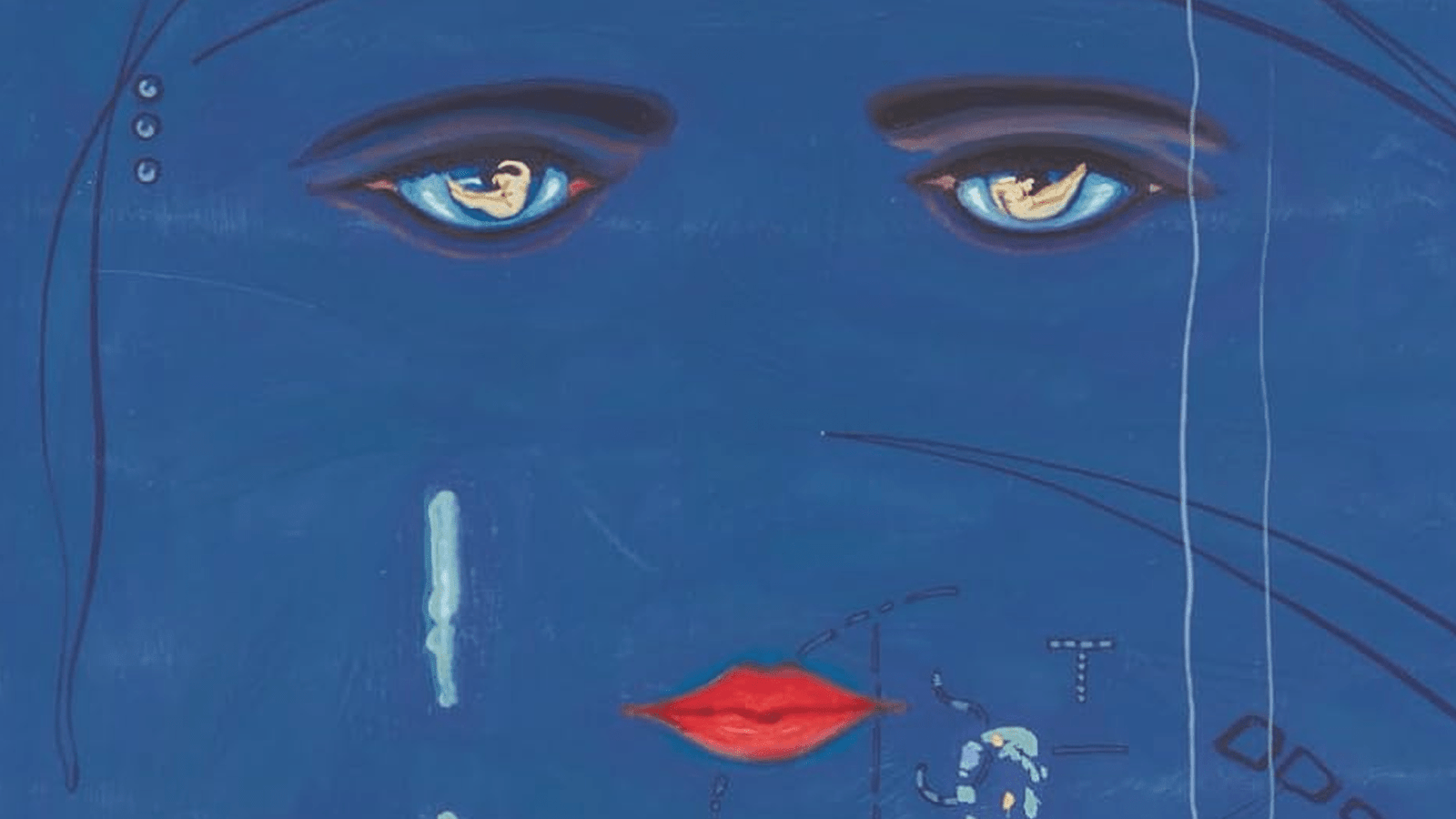
Thematically, the novel remains powerful. The illusion of the American Dream, the corruption beneath wealth, the impossibility of recapturing the past, and the fragility of identity all resonate strongly. These ideas are woven subtly into the narrative rather than announced loudly, and that restraint is part of what has kept the novel relevant. The green light across the water, the eyes of Doctor T. J. Eckleburg, and Gatsby’s extravagant mansion function as rich symbols that invite analysis and interpretation.
Yet even with its symbolic depth, I found the plot slow in places and the emotional payoff thin. Gatsby’s death, for example, should feel monumental, but because the characters are so emotionally remote, the scene feels oddly muted. The tragedy is more intellectual than affecting. It is easy to see what Fitzgerald wanted the moment to convey, but harder to feel it deeply.
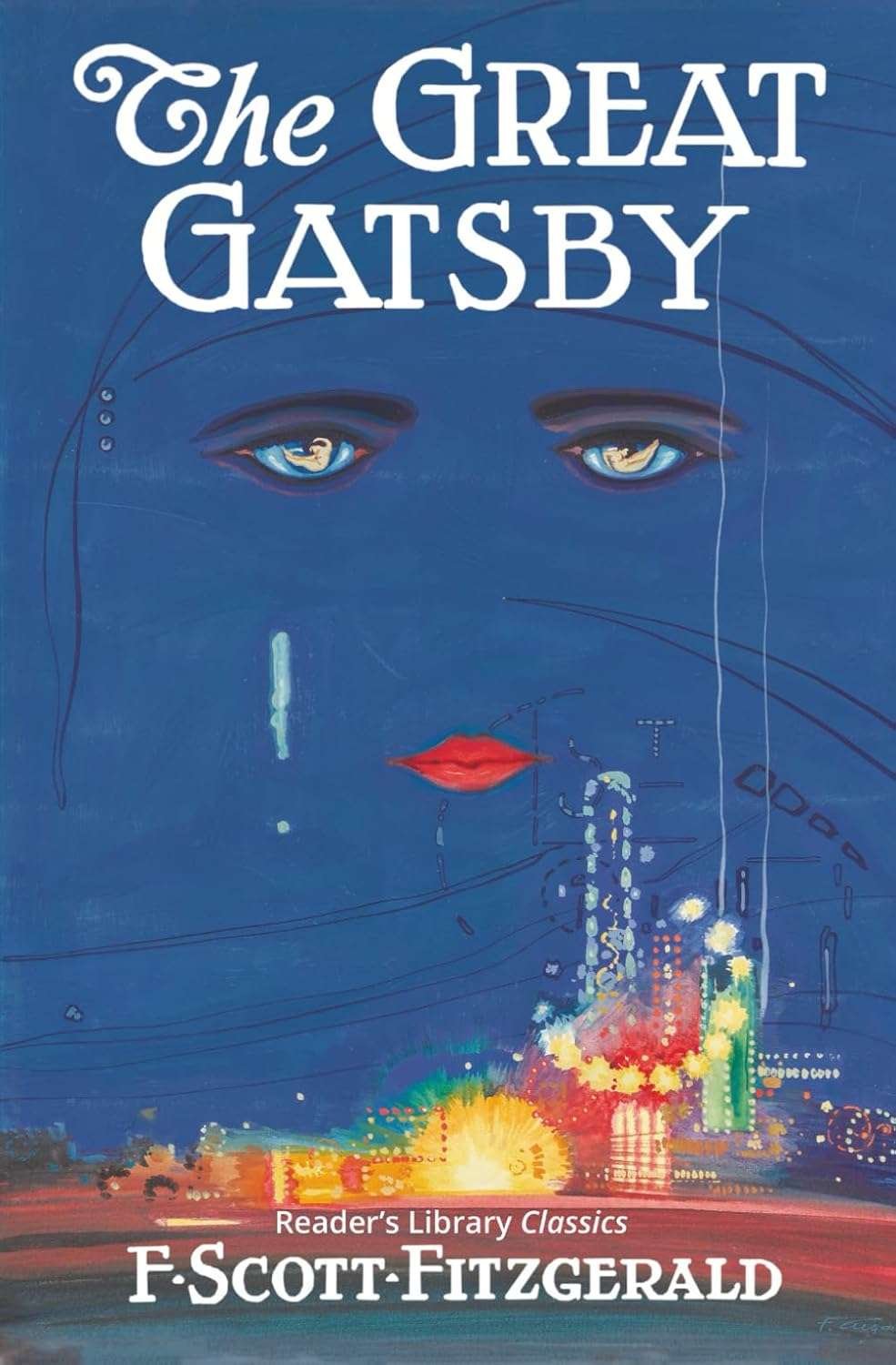
Still, the novel remains an important artifact of its time. It shows America in the midst of transformation, a country caught between old values and new desires. Fitzgerald captured a moment of cultural shift that radiates through the narrative, even when the characters themselves feel hollow. In this sense, The Great Gatsby is more successful as a historical and thematic document than as a story defined by human connection.
In the end, my reaction is mixed. I respect the book’s craft, its symbolism, and its historical role. I admire Fitzgerald’s ability to bottle the chaos and charisma of the Jazz Age. But as a reading experience, it left me wanting more. More depth in the narrator, more humanity in the relationships, more warmth in the world Fitzgerald so carefully builds. For all its shine, the novel’s emotional core feels distant.
Perhaps that is the point. Perhaps the novel’s brilliance lies in the emptiness at its center. But for me, that leaves The Great Gatsby as an admirable work rather than a beloved one.
Rob’s Grade: 7.5/10
Find the book on Amazon.