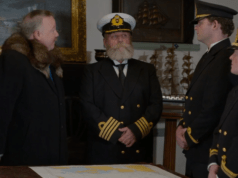

For Hardwicke, No Ordinary Heist isn’t just about the crime… It’s about the pressure, perception, and humanity that emerge when everything is on the line.
Few films manage to sustain tension the way No Ordinary Heist does, unfolding its real-life inspiration with a relentless grip that rarely loosens. Set against the backdrop of Belfast in December 2004, the film thrives on its character dynamics as much as its high-stakes premise, particularly through the uneasy partnership at its center. That dynamic comes to life through the performances of Éanna Hardwicke and Eddie Marsan, whose on-screen friction and reluctant cooperation anchor the film’s emotional core. Hardwicke’s portrayal of Barry “Baz” McKenna is especially compelling, capturing a man shaped by circumstance, perception, and pressure in ways that feel both immediate and deeply human.
In the following interview, Hardwicke reflects on what drew him to No Ordinary Heist, his approach to building Baz from the inside out, and the collaborative energy that defined the production. From working alongside Marsan to navigating the film’s intense, fast-moving shoot, his insights offer a thoughtful look at the craft behind one of the film’s standout performances, and the instincts that continue to guide his evolving career.
INFLUX: How did you first become involved with No Ordinary Heist?
It was Christmas maybe a year or two ago when Colin McIver, the director, got in touch. I read the script quickly—it was a very quick read. Some scripts are slow, but this zipped along because the dialogue was intelligent, witty, and characterful, and the story was compelling. The idea of two men forced to work together to rob their own land was really strong. I was interested from the first read, and not long after, Colin and I met—maybe two weeks later—and sat in a lovely parlor.
INFLUX: Was there a moment on set where your character clicked in a way you didn’t expect?
It kind of clicked the way I expected. You do that prep work in advance, so you feel like you’ve got the character down and have made your decisions. So no, I wouldn’t say there was a moment where that changed. But there are moments while filming where you get an unexpected response to a scene—that’s what you’re always looking for. You want the scene to surprise you.
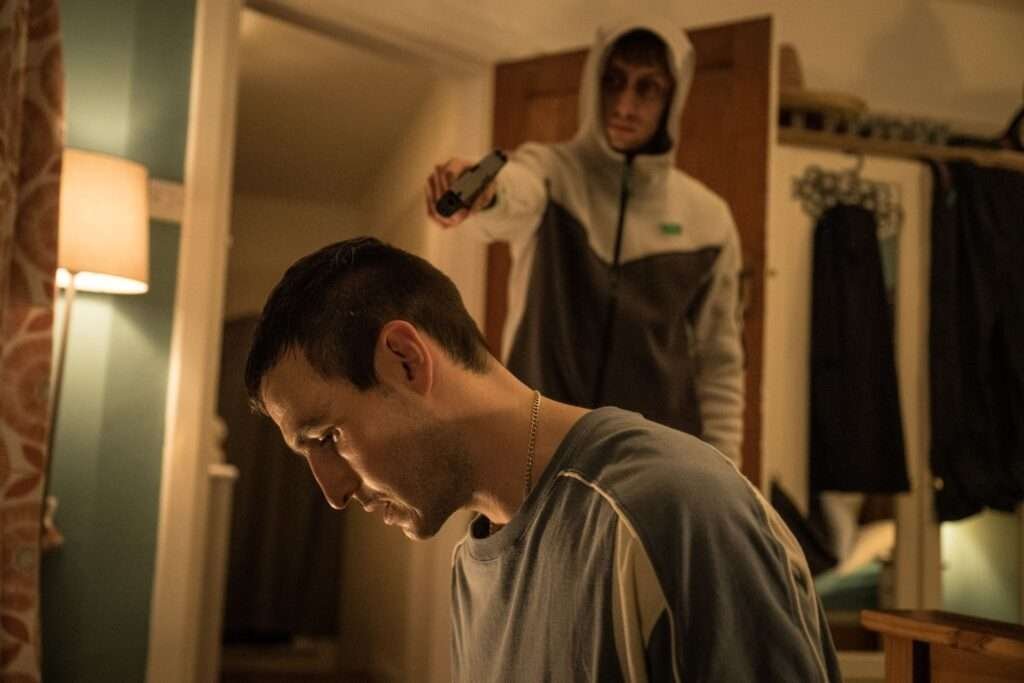
INFLUX: What did you do to prepare for the role?
It starts with the script. I put myself in that situation and look at what’s different between me and Barry, and where we’re similar. I try to find a personal entry point—something I can really identify with. For me, it was the idea that Barry felt underestimated or pigeonholed because of where he’s from.
INFLUX: What was the best advice Colin gave you about your character?
It was about where he’s from and how that follows him. It puts him under suspicion—people make assumptions. We talked a lot about how that shapes his responses. He’s defensive, ready to fight back because he’s used to being blamed.
INFLUX: What was your favorite part of working with Eddie?
Everything. I loved working with him—we were kindred spirits. There was one day we had to move quickly, doing five or six scenes, including an important one near the end. I was trying to get into the headspace, and he just gave me this reassuring tap on the shoulder—“you’re doing it.” It put me at ease and helped us get the scene. For someone to do that while handling his own performance—it’s incredibly generous. I could quote many, many things he said to me over the shoot that have stayed with me. He was great to work with.
INFLUX: What’s been the most significant accomplishment in your career so far?
I think of projects I’m proud of. We made a film called Lakelands about four years ago—a very small, low-budget film. That process felt like magic. The script was beautiful, very character-
driven, and I couldn’t believe it was sent to me. Within a year, we were shooting. We spent a lot of time developing it, and it was creatively fulfilling. When it was finished, it had a nice festival run and release. It was rewarding because it was hard to make but done in such a pure, collaborative way.
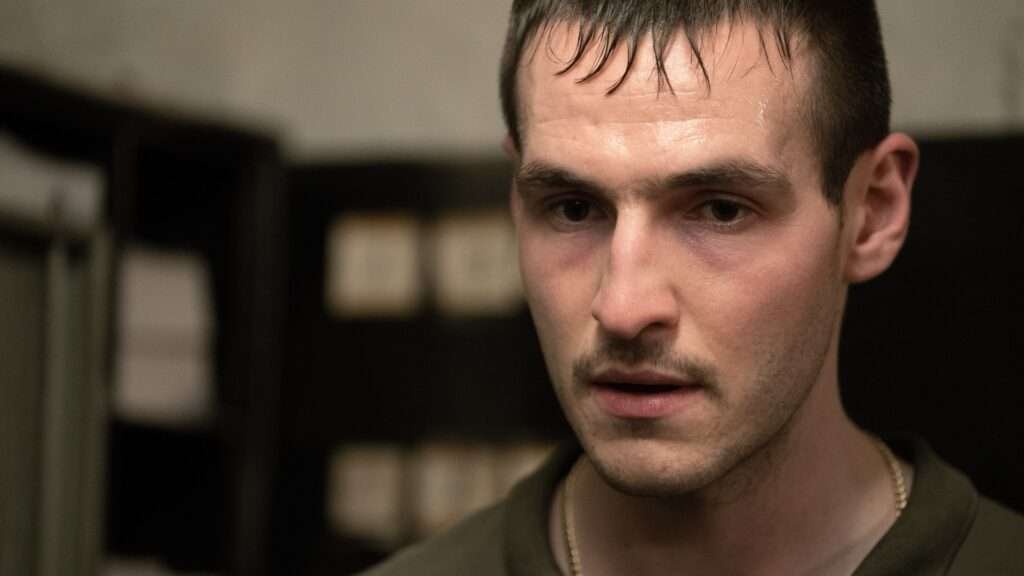
INFLUX: You received a BAFTA nomination for The Sixth Commandment. Why do you think that resonated with viewers?
I think the story resonated more than the character. It was a true story—very tragic. A lot of true crime can feel unclear in its purpose, but this dealt with the repercussions on the victims and families in a sensitive way. I think it moved viewers in a way they didn’t expect. I’m very proud to have been part of it.
INFLUX: Are there roles you haven’t played yet that you’d like to?
Definitely. It’s less about specific characters and more about types of people, periods, and genres. I’d love to do something in the Second World War, in the 1940s I think is a fascinating time, a dreadful time but a fascinating time. And genre-wise, I think it’d be fun to try a rom-com—though it’s very hard work.
INFLUX: The last question, you’ve been building a really interesting body of work. What has been guiding your choices lately?
I’ve been lucky to work with great people, and that’s guided me. But mostly, I follow instinct. If I feel a strong connection to the material or the character, I go with that. Sometimes you read something great but know someone else would do it better. I try not to think about scale or who’s involved—just whether I feel I can fully commit. I just try and stay true to my own curiosity and own interest and passion because I think that will be a good indicator of how much you can give a project. Because the last thing you want to do as well is get involved with something that you don’t feel like you can fully throw yourself in to or do what’s required of you.
Read the INFLUX review of No Ordinary Heist!