The Lonely Crowd may stumble in the shadows of its own ambition, but it never loses sight of its heart, and that’s what makes this chaotic, unpredictable journey worth taking.
Independent cinema has always thrived in the margins, where limitations often force creativity into sharper focus. The Lonely Crowd, directed by David St. Clair, comfortably occupies that space. It’s a film that wears its indie DNA on its sleeve, occasionally stumbling over technical hurdles, yet ultimately delivering a gripping, character-driven experience that lingers well after the credits roll.
At its core, The Lonely Crowd is a deceptively simple premise: a first date gone wrong. Like After Hours, the Martin Scorsese cult classic it loosely echoes, simplicity is merely the gateway to chaos. What begins as an innocent evening between Peter (Adam Wesley) and Ashley (Taylor Anne Danehower) quickly spirals into a surreal, tension-filled odyssey. Where After Hours leans heavily into noir absurdity and screwball rhythms, The Lonely Crowd opts for something more grounded but no less unsettling, blending bursts of action, uneasy humor, and even an unexpected thread of romance.
That tonal balancing act is one of St. Clair’s biggest achievements. The film never feels like it’s trying to mimic its influences outright, even when shades of Pulp Fiction creep into the dialogue. Instead, it uses those inspirations as a springboard, creating something that feels both familiar and distinct. Conversations crackle with a slightly heightened cadence, occasionally veering into stylized territory, but they remain anchored by the emotional reality of the characters. There’s a sense that these people are improvising their way through a night they never anticipated, and that unpredictability becomes the film’s driving force.
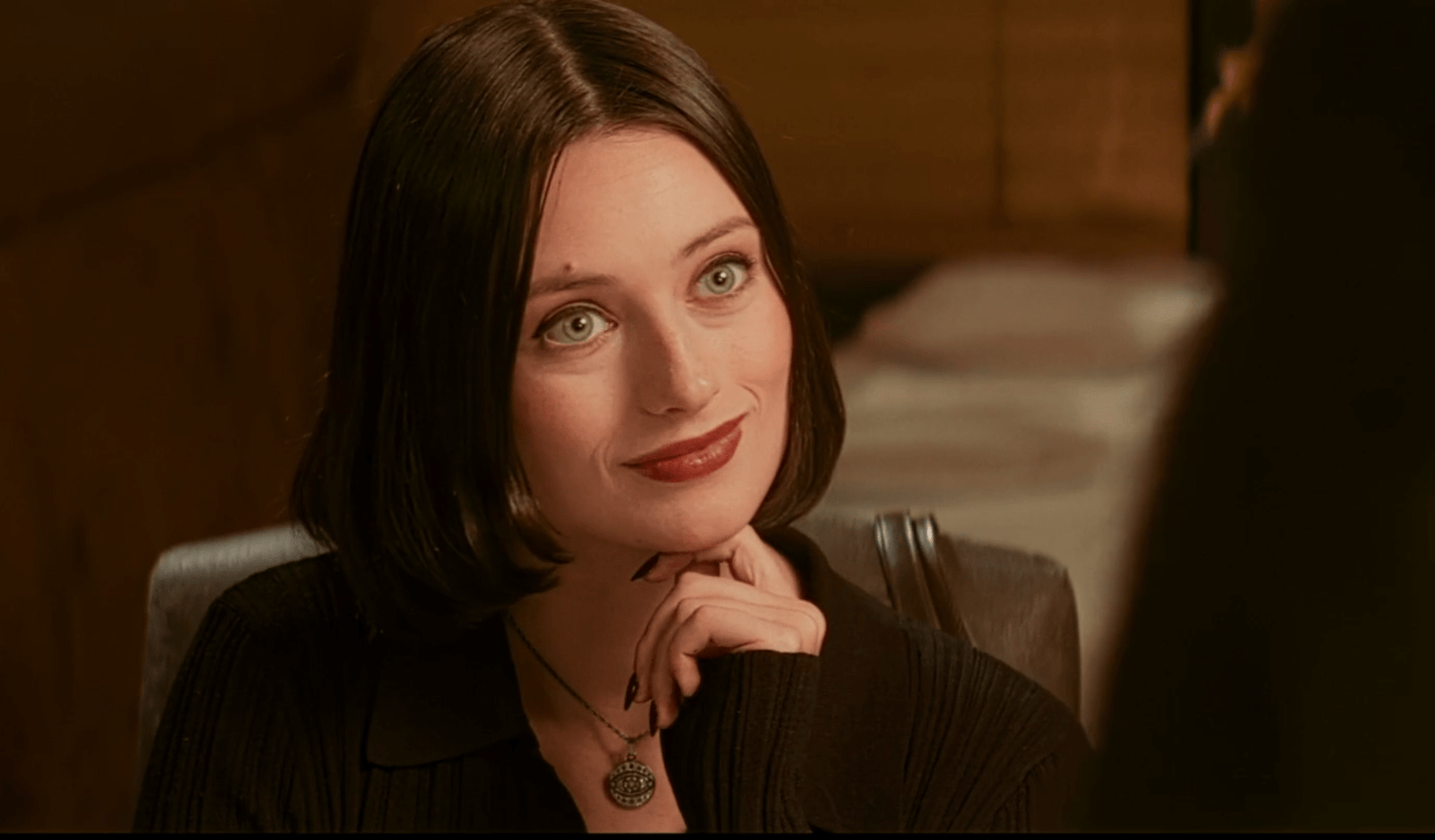
Adam Wesley’s Peter is an effective audience surrogate, starting off as an everyman figure before gradually revealing layers of vulnerability and resilience. Wesley plays the role with a grounded sincerity that keeps the film from drifting too far into genre excess. Opposite him, Taylor Anne Danehower’s Ashley is equally compelling, bringing a mix of charm, mystery, and emotional depth that evolves as the narrative unfolds. Their chemistry is key, not just in selling the initial premise of a date, but in sustaining the film’s emotional stakes as things begin to unravel.
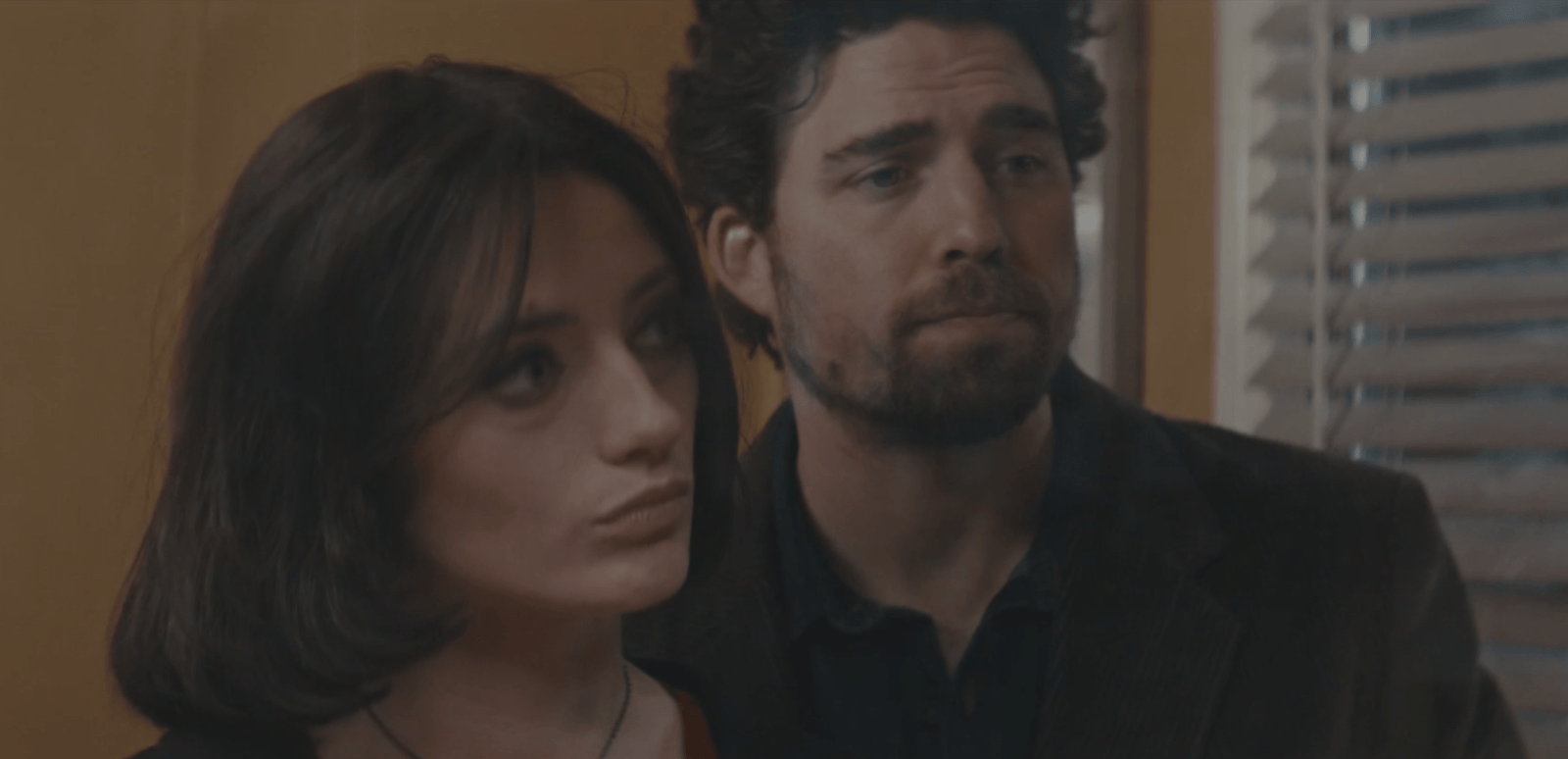
What’s particularly refreshing is how the relationship between Peter and Ashley develops under pressure. In many films, a scenario like this would simply serve as a backdrop for escalating danger, but here, it becomes a crucible for connection. The “unexpected romance” isn’t a tacked-on subplot; it grows organically out of shared adversity. By the time the film reaches its later stages, you’re not just invested in whether they’ll survive the night, but in what this bizarre experience means for them as individuals and as a pair.
Of course, being an independent production, The Lonely Crowd isn’t without its flaws. The most noticeable issues lie in the technical realm, particularly in its shooting style and editorial pacing. There’s an inconsistency in the visual language that occasionally pulls you out of the story. Interior scenes, in particular, can feel flat, lacking the depth and texture that might otherwise enhance the film’s atmosphere. Lighting choices sometimes lean toward the functional rather than the expressive, which is understandable given budget constraints but still noticeable.
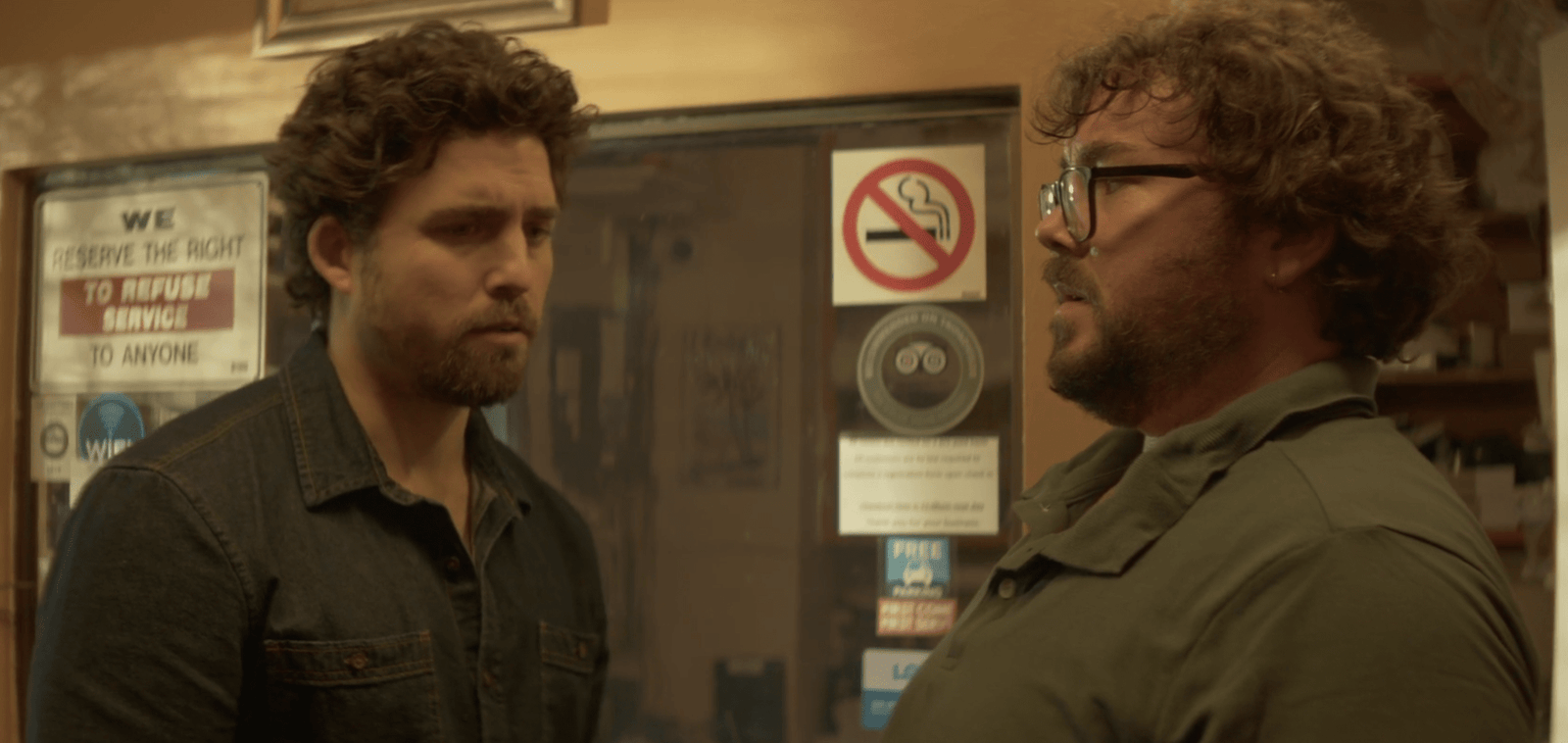
Similarly, the pacing can be uneven. Certain sequences linger a bit longer than they should, while others feel slightly rushed. This is especially evident in moments of transition, where the film seems caught between wanting to savor its character beats and needing to maintain narrative momentum. A tighter edit could have elevated the tension even further, smoothing out some of the film’s rougher edges.
Then there are the action beats, which, while ambitious, don’t always land with the intended impact. A parking lot scuffle, for instance, comes across as more awkward than threatening, undercutting the sense of danger the scene is aiming for. It’s one of those moments where the limitations of indie filmmaking become most apparent. Yet even here, there’s a certain charm in the effort. You can see what St. Clair is reaching for, and while the execution isn’t perfect, the intent is clear.
But here’s the thing: these shortcomings never fully derail the film. If anything, they become part of its texture. Indie films often live or die by their ability to transcend their limitations, and The Lonely Crowd largely succeeds in doing just that. The strength of the writing, the commitment of the performances, and the overall vision behind the project carry it through its weaker moments.
St. Clair’s direction deserves particular credit. There’s a confidence in how he navigates the film’s tonal shifts, refusing to play it safe even when the material could easily veer into cliché. He understands that the heart of the story lies in its characters, and he gives them the space to breathe, even amid the chaos. That focus on character is what ultimately elevates the film from a simple genre exercise to something more resonant.
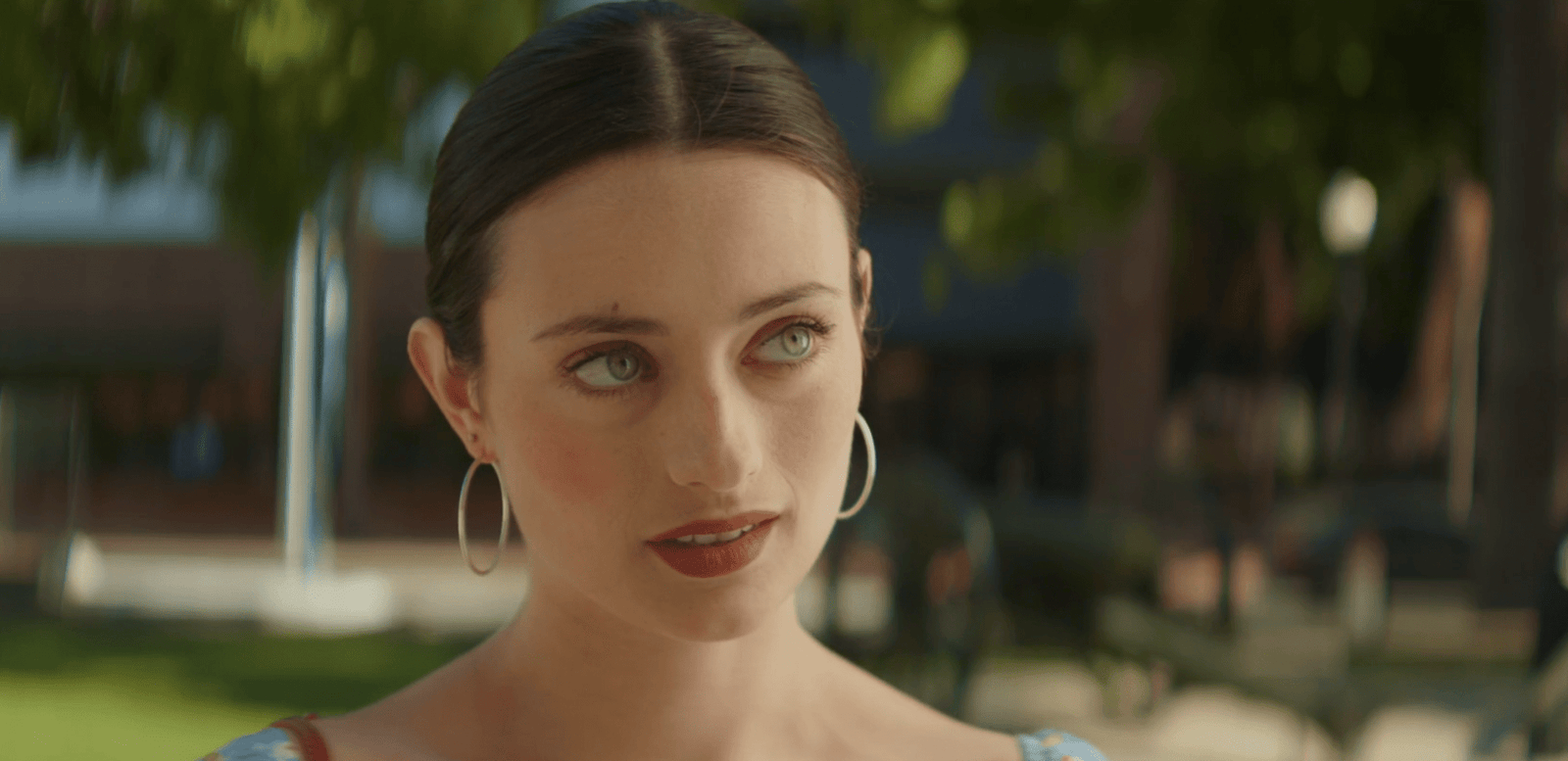 The script, too, is a standout. It’s sharp without being overly self-aware, stylized without feeling forced. The dialogue occasionally flirts with that Pulp Fiction-esque rhythm, but it never becomes derivative. Instead, it adds a layer of unpredictability, keeping you slightly off-balance in the best way possible. You’re never entirely sure where a conversation is going, and that uncertainty mirrors the characters’ own experience.
What The Lonely Crowd does particularly well is capture the feeling of a night that spirals out of control. There’s a dreamlike quality to the narrative, where each new development feels both surprising and inevitable. It’s the kind of story that thrives on momentum, pulling you along even when you’re not entirely sure what’s around the next corner. And while it may not reach the surreal heights of After Hours, it carves out its own identity within that lineage.
In the end, The Lonely Crowd is a testament to what independent filmmaking can achieve when strong storytelling takes center stage. Yes, it has its rough patches. Yes, there are moments where the technical limitations are impossible to ignore. But those issues pale in comparison to the film’s strengths.
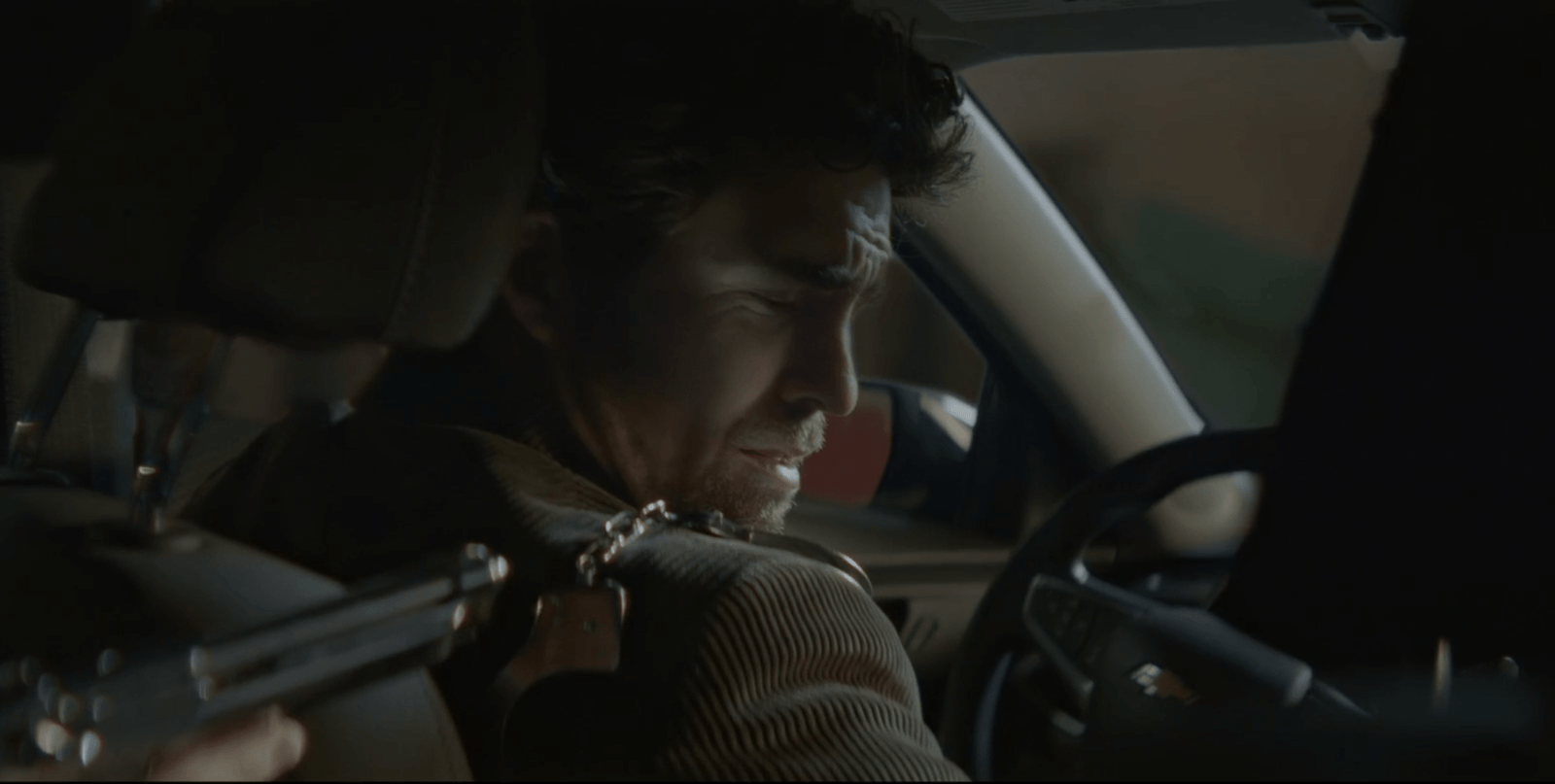
St. Clair has crafted a film that feels alive, driven by characters you genuinely come to care about and a narrative that keeps you engaged from start to finish. It’s the kind of movie that reminds you why indie cinema matters, not because it’s perfect, but because it’s willing to take risks, to experiment, and to tell stories that don’t fit neatly into a studio mold.
If anything, The Lonely Crowd leaves you curious about what St. Clair might accomplish with even greater resources. Because if this is what he can do within the constraints of independent filmmaking, the potential for something truly exceptional is clearly there.
Gordo’s Score: 8/10