LAIKA’s stop-motion fantasy finds a good reason to venture into the wilderness and an even better reason to hurry home.
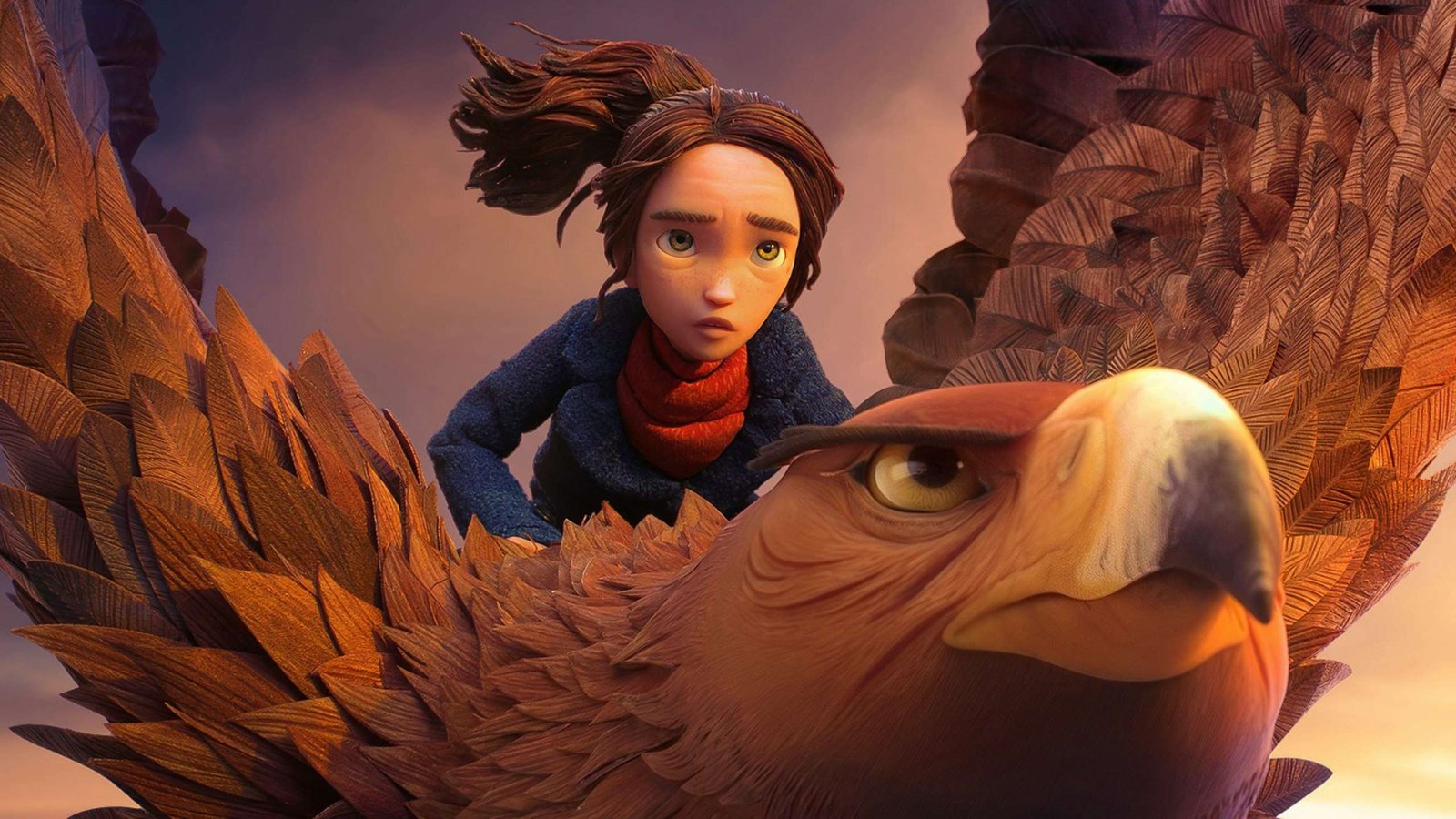
Wildwood puts stop-motion animation to particularly good use: it gives a dangerous forest the irresistible appeal of something you’d like to reach out and touch.
That’s a good reason to take an interest in LAIKA’s fantasy, even if animation isn’t usually what gets you to pick a movie. In its guide to popular movies, Rotten Tomatoes singles out the film’s stop-motion work in its summary of the critical reception. Inclusion in a popularity guide says more about audience interest than audience approval, so it’s worth being precise about the recommendation. The strongest case for Wildwood isn’t that everybody loves it. It’s that the quality drawing praise from critics has an awful lot to do with what makes this particular story worth telling.
Adapted from Colin Meloy’s novel, illustrated by Carson Ellis, the movie has a wonderfully alarming starting point. Prue’s baby brother is carried off by crows, and getting him back means venturing into the wilderness outside Portland. A flock of crows is a fine choice of kidnapper. One crow is an ordinary sight. Enough of them working toward a common goal, and suddenly you have to reconsider what those birds have been getting up to all this time. The turn from familiar to frightening takes almost no explanation. And Prue, unlike the audience, doesn’t have the luxury of stopping to enjoy the idea.
There’s a bit of The Wizard of Oz in the invitation to cross a boundary and discover how little the rules of home apply on the other side. What distinguishes Wildwood is how close that other side is. You don’t need a tornado to get there. Anybody who grew up near a patch of woods that looked small from the road and considerably bigger once inside knows the feeling. Naming Portland matters, too. The story asks you to accept one extraordinary proposition about an actual place, which is a much shorter imaginative leap than learning the history and geography of an invented kingdom before the adventure can get going.
Then there’s the pleasure of putting two quite different notions of size together. From Prue’s point of view, the woods are big enough to swallow a person. From an animator’s, an entire piece of that wilderness has to be small enough to work on. A puppet moves because somebody can get a hand in there, adjust it, and get out of the shot. Knowing that doesn’t spoil the illusion. If anything, it adds a little suspense of its own: how does something built to such exacting specifications come to suggest a place that nobody, least of all its young visitor, can control? That’s a more interesting use of technical skill than simply making a bigger, busier picture.
The setup also gives the adventure a useful limit. Prue might be curious about what’s out there, but she has a very particular reason for going and an equally good reason for wanting to leave. There’s a trade-off in that. The more interesting the wilderness becomes as a destination, the less inclined an audience may be to hurry through it on a rescue mission. And a missing baby lends the story an edge that the words “handcrafted fantasy” don’t quite prepare you for. If you’re picking a cozy movie for a child who worries about younger siblings, the premise is probably a better guide than the animation style.
For the rest of us, that bit of friction is part of the attraction. There’s something funny and true about the difference between the outing Prue gets and the one a fantasy fan might choose. On a sightseeing trip, the best discovery would be that the woods are full of things you’ve never encountered before. When you’re trying to find one small person, that same discovery is fairly terrible news. The movie has room for wonder without requiring its heroine to treat every strange development as a gift. It’s a generous way to tell a children’s adventure: let the kid take the trouble seriously, and leave the audience free to delight in how the trouble was made.
Wildwood is an easy recommendation for admirers of LAIKA’s Coraline, particularly those who liked how its handmade spaces could be inviting and unsettling at once. But you don’t need a favorite animator, a fondness for the book, or much patience for fantasy lore to find a way in. A girl needs her brother back. Between them stand the woods. The best argument for Wildwood is that, even knowing what brought her there, you can understand the temptation to go a little farther in.