1912 proves that compelling historical filmmaking doesn’t require a blockbuster budget, only a strong story, thoughtful execution, and a filmmaker who knows how to make the most of what he has. Ray Crew turns a familiar tragedy into something unexpectedly fresh, reminding us that even more than a century later, the Titanic still has stories left to tell.
by Nav Qateel
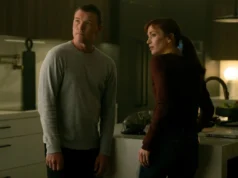
Docudrama 1912, from writer-director Ray Crew, is a fascinating period piece set in two different eras, where we move comfortably back and forth between the years 1912 and 1974. We begin in 1974, where hungry reporter Vera Thompson pitches a story to her editor about Titanic survivor Edith Rosenbaum Russell.
Vera is convinced that Edith has a story to tell that she hasn’t shared with anyone else and wants to be the first to do so. Vera eventually wears the editor down and gets to fly to London to meet the woman she sees as an early women’s rights advocate, but instead finds an elderly woman who’s reluctant to talk.

Edith is rather acerbic with the young reporter and nothing like the way she was expected to be, but nonetheless, Vera eventually persuades her to talk. Before this meeting, it’s made clear by the editor that Edith is a crackpot and that, in the past, she has tried to write about her exploits, which no one will print. The story that Edith tells Vera is explosive and could have potentially reshaped the entire Western world.
The film initially opens on the real Edith Russell being interviewed, which is then followed by photographs of actual people who were on the Titanic that fateful day, really showing that what’s about to follow, while an enactment, is about real people who went through a harrowing experience.
While James Cameron’s megabuck Titanic concentrated on a relationship, Crew has offered a more politically focused story, and arguably a more educational one, where I surprisingly learned a thing or two about what was going on behind the scenes. For example, there was a coal strike in Britain that affected other ocean liners in 1912, forcing them to run low on coal to ensure that the Titanic had enough for her maiden voyage. There were other bits of information like this that really forced me to pay close attention to the dialogue.
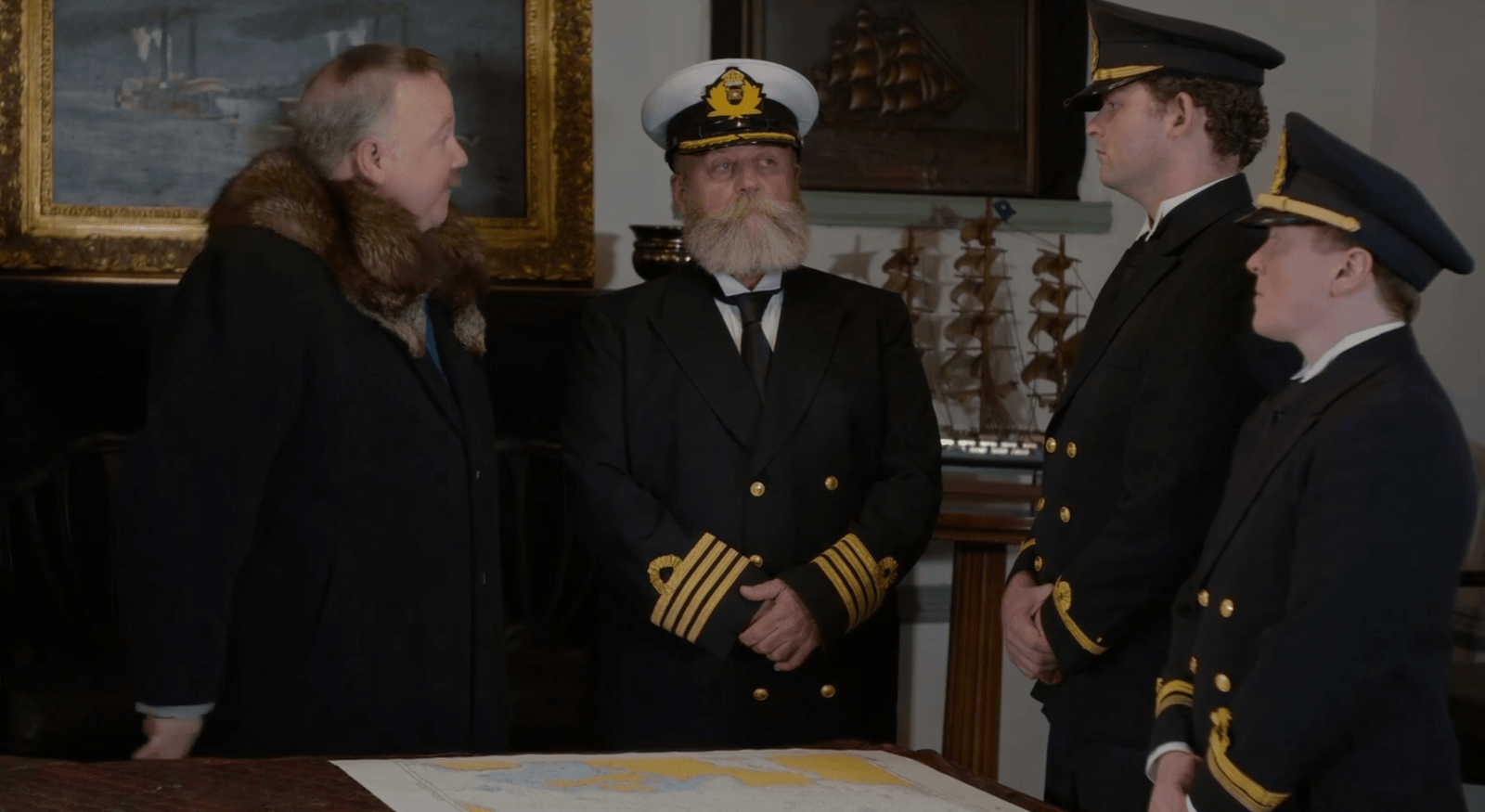
We had characters from both sides of the Atlantic, most of them people of historical note, from President Taft or Archibald Butt to Captain of the Titanic Edward Smith or Cosmo Duff-Gordon, a real who’s who of yesteryear. The cast portraying the characters from history were each wonderful, and virtually all of the actors, as far as I could surmise, were previously inexperienced in filmmaking.
This took me by surprise, as they came across as slightly more seasoned than one would expect. There wasn’t a hint or suggestion of their inexperience. The period costumes were the icing on the cake, allowing the actors to perform so confidently and convincingly and helping transport the audience back in time.
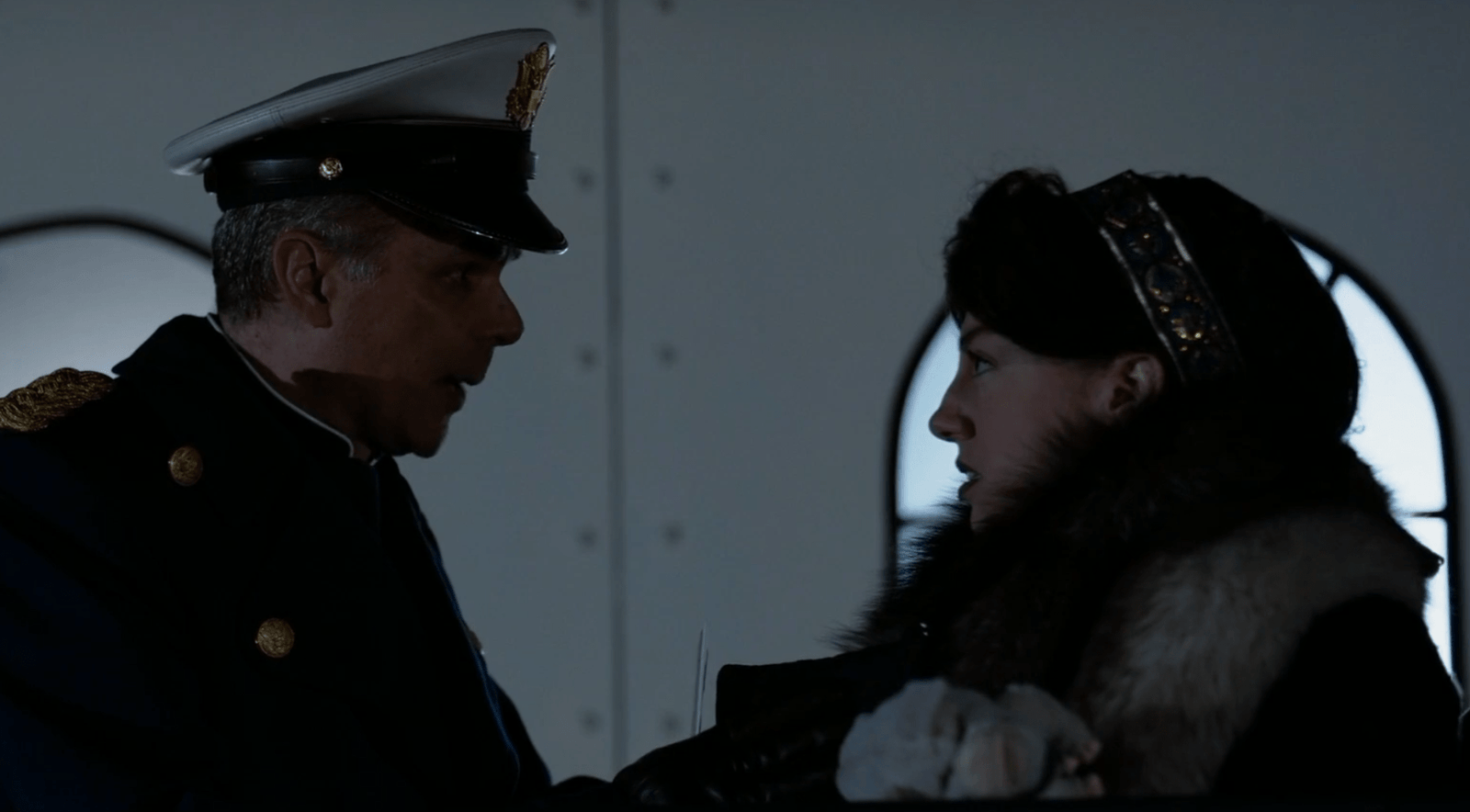
Director Crew’s 1912 is a shining example of what can be achieved on a limited budget, and I was especially impressed by his handling of the inside shots of the ship.
Rather than try to use green screen or cheap-looking sets, the director wisely limited the shots to the actors and kept it minimal by only showing the deck walls or dining tables. A commendable display of photography done right when you don’t have Cameron’s cash to throw around.
If you’re a history buff or simply enjoy factual movies, then I can’t recommend 1912 more highly. Ray Crew has proved himself to be a filmmaker to be reckoned with, giving us a wonderful piece of entertainment and education.
Learn more about 1912 on IMDB.
Nav’s Score: 9/10