
Widow’s Bay is a Series Lost Between Comedy and Horror
Some television shows know exactly what they want to be from the moment they begin. Others take a few episodes to find their footing. Unfortunately, Widow’s Bay often feels like a series trapped somewhere in between, unable to decide whether it wants to be an offbeat workplace comedy or a genuinely unsettling horror mystery.
The result is a show that frequently works against itself.
Set in a coastal town steeped in strange traditions, local legends, and dark secrets, Widow’s Bay introduces viewers to a community that appears ripe for supernatural storytelling. The atmosphere is there. The setting is there. The mystery is there. Yet the series continually interrupts its strongest elements with awkward comedic detours that undermine much of the tension it spends time building.
Watching Widow’s Bay, it becomes difficult not to wonder what show the creators actually intended to make.
At times, the series feels like it desperately wants to be the next Parks and Recreation or The Office. Characters engage in extended moments of cringe humor, social awkwardness, quirky misunderstandings, and self-aware comedic banter that would feel right at home in a workplace sitcom. The problem is that these scenes often exist alongside storylines involving supernatural threats, local conspiracies, and ominous mysteries.
The tonal whiplash can be jarring.
One moment the audience is being asked to invest in an eerie mystery involving the town’s troubled history. The next, the show abruptly pivots into a prolonged comedic sequence that feels designed for an entirely different series. Instead of complementing one another, the two styles often compete for attention.
The irony is that when Widow’s Bay leans into its horror elements, it becomes significantly more compelling.
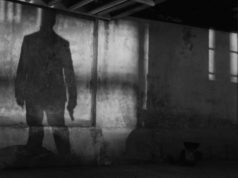
The town itself is intriguing. There is a palpable sense that something is wrong beneath the surface. Certain sequences effectively build dread and suspense, creating the kind of atmosphere that keeps viewers engaged. These moments suggest a stronger, more focused show buried beneath the surface.
In those scenes, Widow’s Bay begins to resemble something closer to Welcome to Derry or a modern supernatural thriller. The mysteries become more interesting. The stakes feel higher. The storytelling gains momentum.
Then the series inevitably swerves back into comedy.
Genre blending can certainly work. Some of the most successful shows of the last decade have found ways to balance horror, comedy, drama, and mystery. The key is understanding how those elements support one another. Widow’s Bay often feels as though it is placing those ingredients into the same pot without fully understanding how they should interact.
The comedy itself will likely be the most divisive aspect of the series.
Fans of cringe-based humor may find much to enjoy. There are moments that clearly aim for discomfort, awkward social interactions, and exaggerated character flaws. For viewers who enjoy that style of comedy, some of these scenes may land successfully.
For others, however, the humor becomes an obstacle.
Rather than enhancing character development or providing relief from the darker material, many of the comedic sequences feel like interruptions. Just as the mystery begins generating momentum, the show shifts gears and asks viewers to laugh at situations that often feel disconnected from the larger narrative.
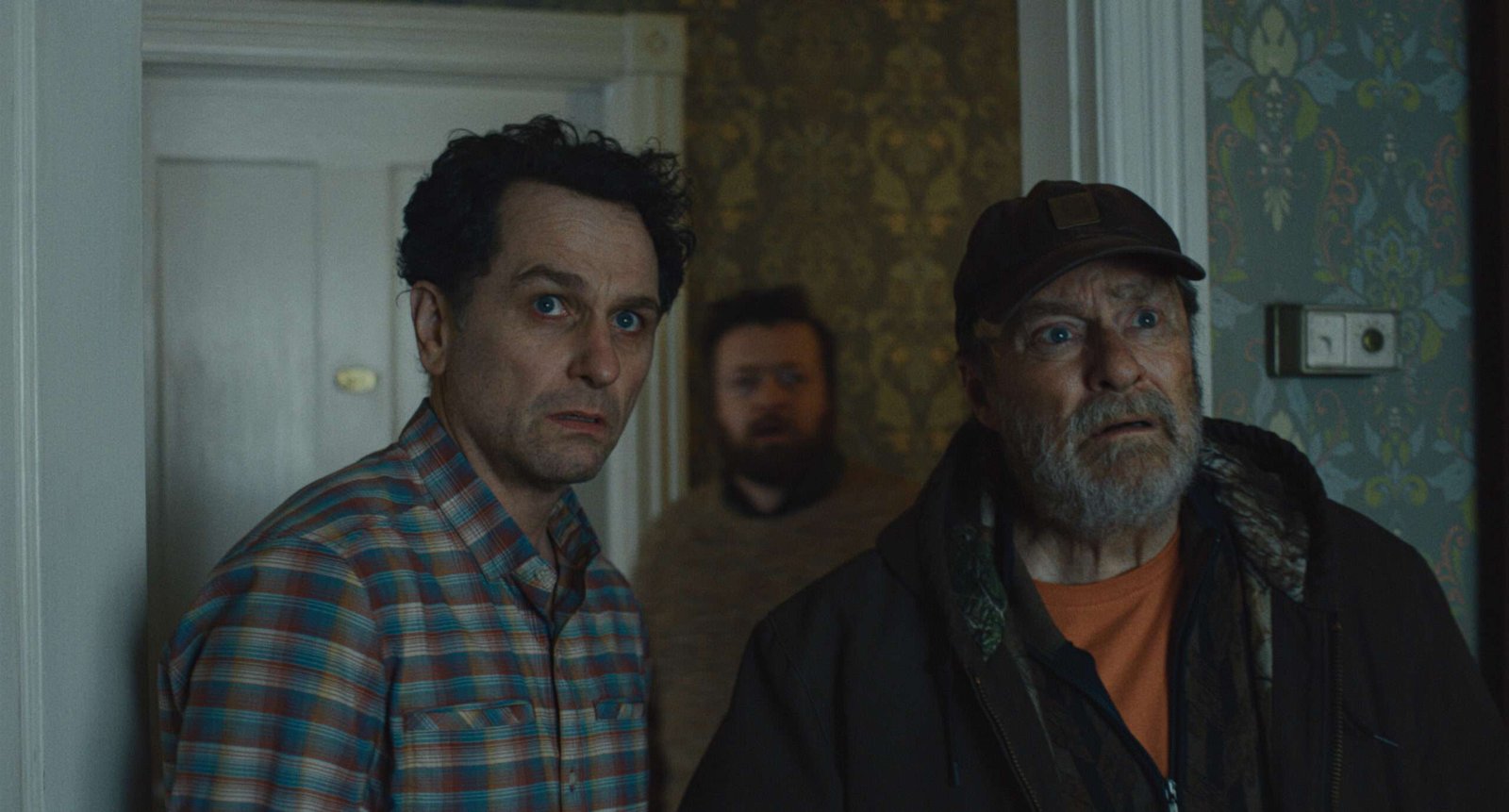
That inconsistency extends to the characters themselves. Several members of the ensemble are likable enough, and the cast does what it can with the material provided. Yet many of the personalities feel trapped between two competing creative visions. Are they supposed to be exaggerated comedic archetypes? Or are they participants in a serious supernatural drama? Too often, the answer appears to be both.
The visual presentation is another example of the show’s conflicting identity. The coastal setting is frequently beautiful, and the production design creates an appropriately eerie backdrop for the story. The cinematography occasionally captures a sense of isolation and unease that serves the horror elements remarkably well.
Those moments hint at the series Widow’s Bay could become.
Unfortunately, the show’s commitment to its comedic side prevents it from fully embracing the darkness that seems far more natural to its premise. The horror scenes demonstrate genuine potential, while the comedic material often feels familiar and forced.
That doesn’t make Widow’s Bay a complete failure.
There are enough intriguing ideas scattered throughout the season to justify curiosity. The mythology shows promise. The setting remains compelling. Certain suspense sequences are genuinely effective. Viewers who enjoy unusual genre mashups may even find the tonal unpredictability part of the appeal.
The problem is sustainability.
It’s difficult to imagine Widow’s Bay building a large, long-term audience unless it eventually chooses a clearer direction. Right now, it feels like two different shows sharing the same runtime. One is a potentially strong supernatural horror series built around local legends and escalating dread. The other is a cringe-comedy filled with quirky personalities and awkward humor.
Of the two, the horror series is unquestionably the stronger one.
If future seasons lean more heavily into suspense, mystery, and genuine supernatural terror, Widow’s Bay could evolve into something memorable. The foundation is there. The atmosphere is there. The audience interest could be there as well.
But if it continues straddling the line between horror and situational cringe comedy without fully committing to either side, it risks remaining a show that never quite lives up to its potential.
Ultimately, Widow’s Bay isn’t terrible. It’s simply frustrating.
The ingredients for an excellent horror series are present, but they are buried beneath a layer of comedy that often feels at odds with the story being told. For every effective suspense sequence, there is another scene that pulls viewers out of the experience.
Perhaps future episodes will discover the balance the series currently lacks.
For now, Widow’s Bay feels like a show searching for its identity rather than confidently embracing one.
Gordo’s Score: 7/10